

Today we are gonna study a basic concept in the world of art and photography – Repetition.
The root word of repetition is “repeat”. When you repeat a certain size or shape or color you add strength to the overall image. If you repeat something once or twice it becomes more interesting. If you repeat something many times it becomes a pattern and takes on a life of its own.

It’s possible to have repetition without a pattern; for instance, you might have just two similarly-shaped objects, which repeat but don’t create a true pattern.
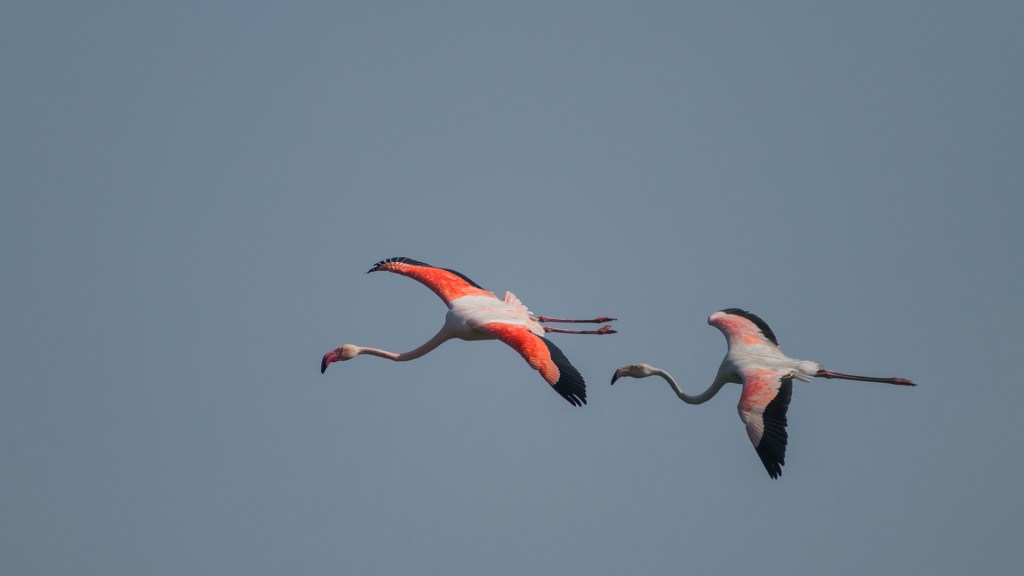
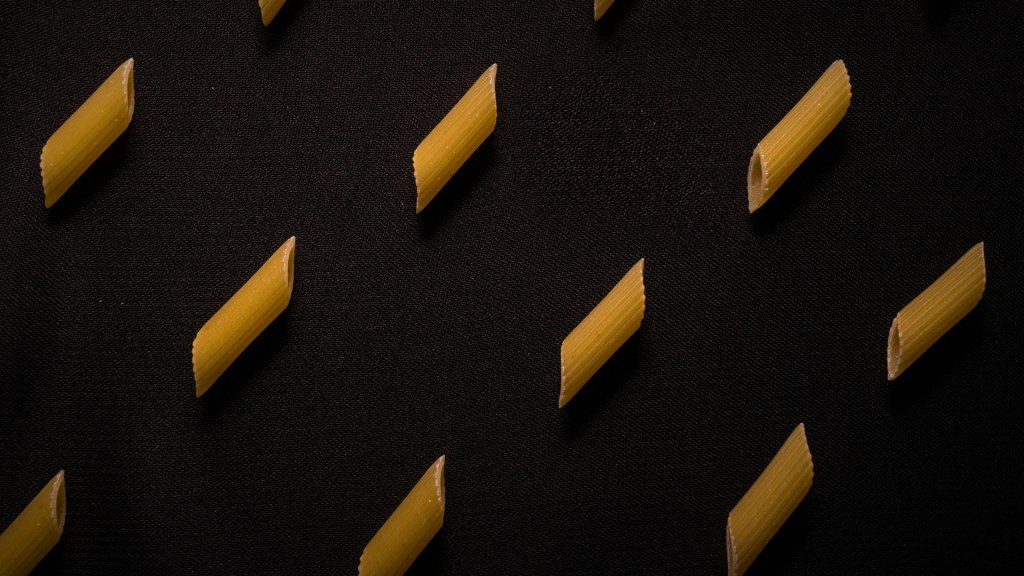
A pattern is what you get when you include several repeating elements. For instance, a line of trees stretching across the frame will repeat the same shape, over and over again. In still life, these objects repeat the same shape throughout the arrangement.
For nature photographers, finding patterns can be easy. Why? Because they exist everywhere in nature. For instance, if you’re shooting a desert, there will be patterns on the sand, similarly, you have the waves of the sea, and so on.
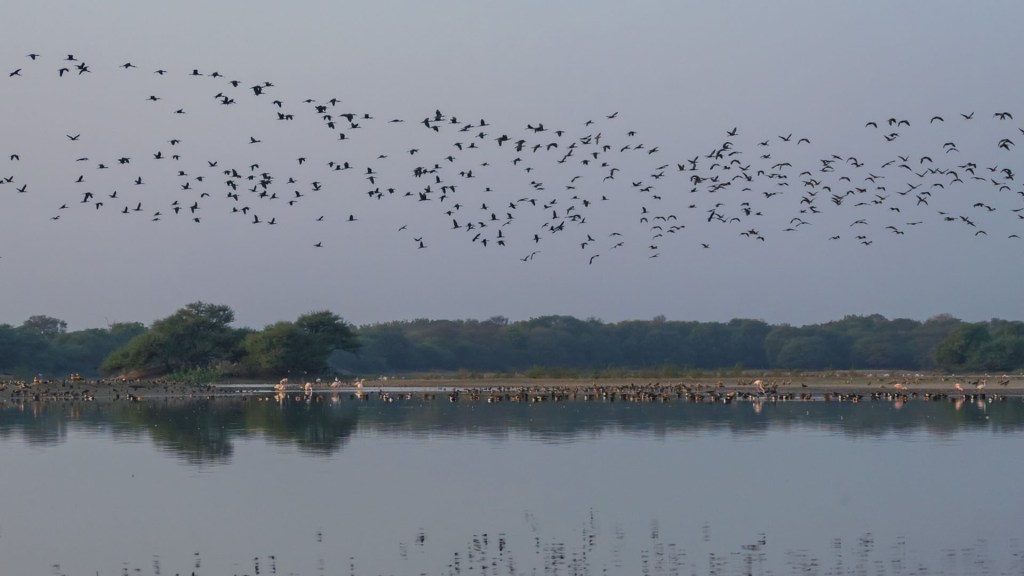
So the best way for finding patterns in nature is to simply look. Just open your eyes and scan your surroundings. Another strategy is to find patterns to make an interesting shape or line throughout the photo. Still life becomes even more interesting as you get to decide how you want to repeat the elements in your photos and what shape or pattern you wanna make.

RHYTHM
Rhythm refers to the visual beat produced by repeating and/or patterned elements. By carefully including and excluding repeating elements, you can produce the perfect rhythm. If you have several identical repeating elements, all placed equidistant from one another, you’ll have a steady rhythm.
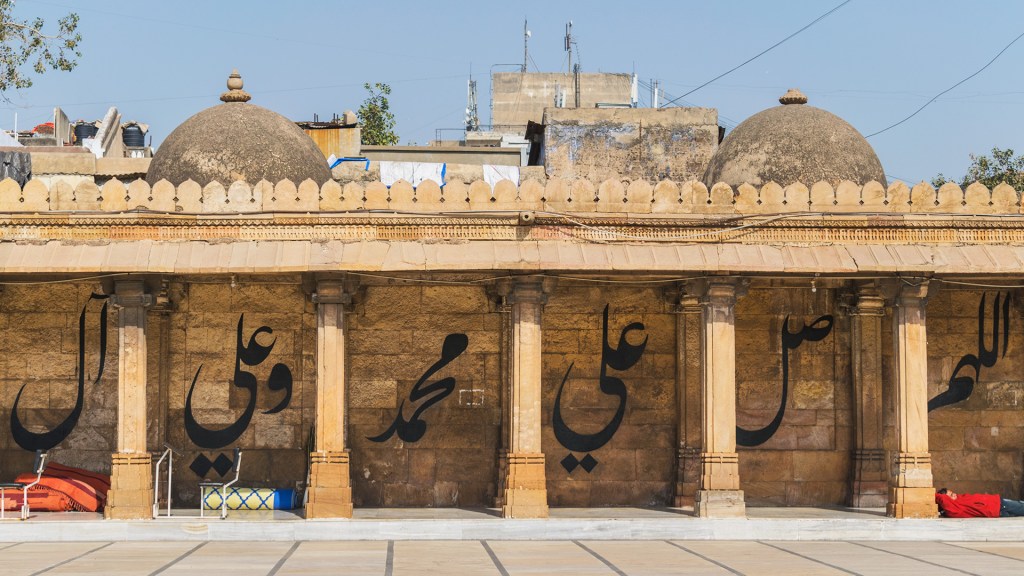
And if you have dozens of elements scattered around the frame, the rhythm will be chaotic and will make the viewer feel confused and breathless.

If you’re after a measured, orderly rhythm, trash the chaotic areas of your scene and reframe without them. If you’re after a chaotic, messy rhythm, focus on getting rid of orderly repeating elements. Now we will talk about a few general types of rhythm in photography.
Types of Rhythms in Photography Composition
1. Random Rhythm
Random rhythm is just what it sounds like. Repetition occurring throughout the entire composition in an irregular or random way. Think of sand dunes in a desert, a view of huge hills from a height, or flowers waving in the wind; while the repetition is there, the order isn’t.
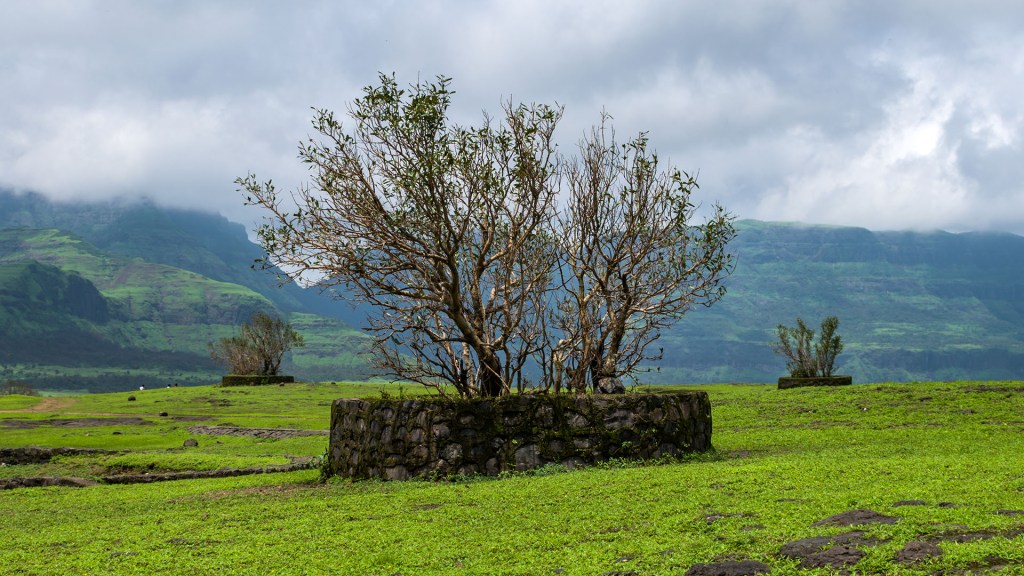
2. Regular Rhythm
Regular rhythm is the absolute opposite of random rhythm. Regular rhythm involves repetition at consistent intervals and with similar elements. For instance, if you photographed a building, all the orderly, carefully-arranged windows would create a regular rhythm.

3. Progressive Rhythm
Progressive rhythm works kinda like leading lines. Rather than staying equal across the entire frame, a progressive rhythm keeps the eye moving toward some endpoint. For instance, cars parked together come to a final point as they arch forward.
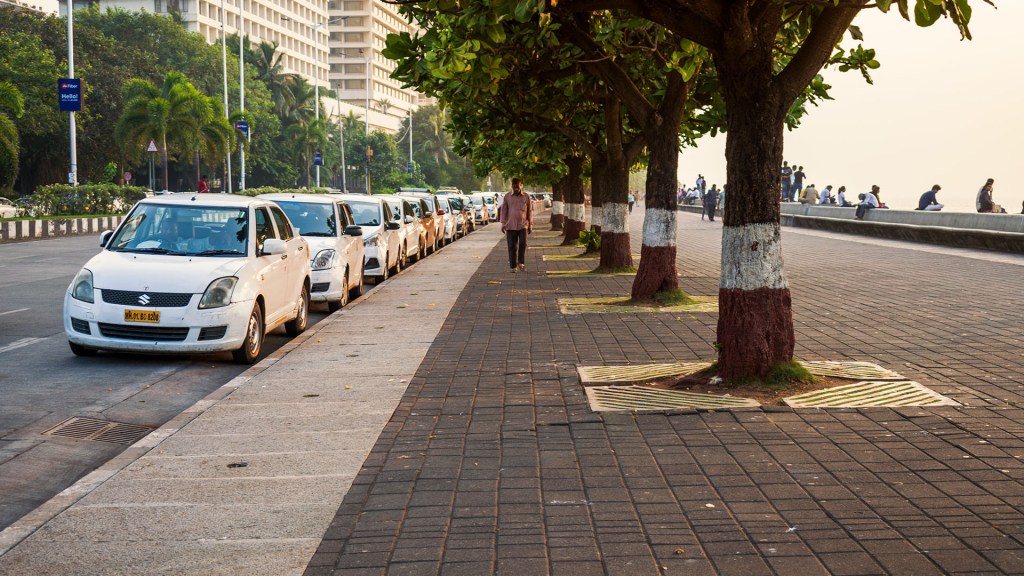
4. Alternating Rhythm
An alternating rhythm is a compromise between a random rhythm and a regular rhythm. It involves two patterns going back and forth to create a moving, energetic, final rhythm. Eg mountains and trees, create two patterns giving me a unique rhythm.
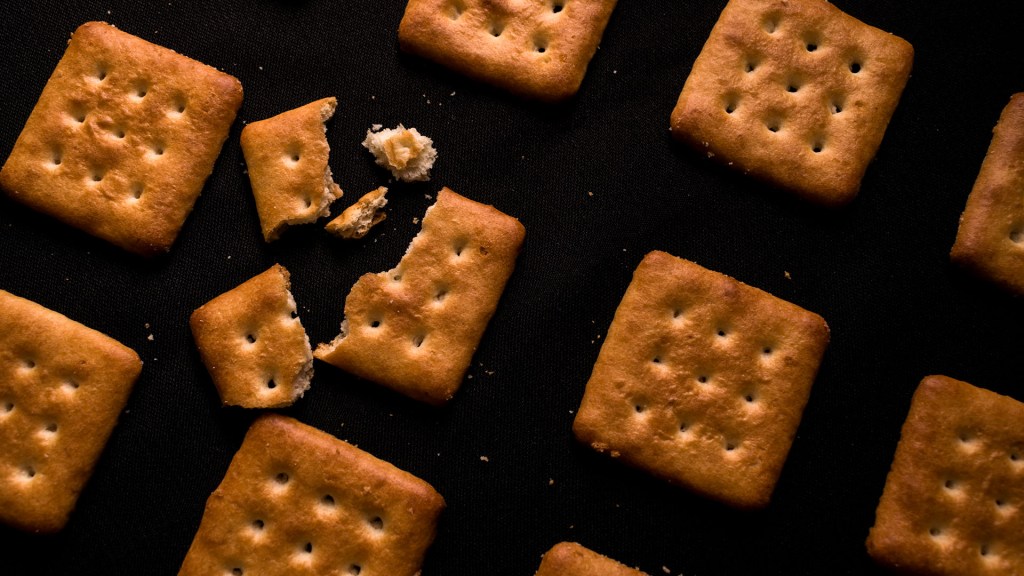
Here’s a fun thing to do the next time you’re stuck indoors, try some repetition photography. Gather similar objects together and photograph the repetition!
I hope you liked my blog. Do let me know your suggestions and thoughts in the comments section. Thank you!
Also Read – Rule Of Space in Photography
CONNECT WITH ME:
YouTube: https://www.youtube.com/user/agarwalsonika7
Instagram: https://www.instagram.com/agarwalsonika/
Twitter: https://www.twitter.com/agarwalsonika7/
Facebook: https://www.facebook.com/sonikatravels
 UI/UX DESIGNER | PHOTOGRAPHER