

Balance is a compositional technique in photography that involves arranging the main subject and other elements within the frame of a photograph so that everything in the image has equal visual weight. Visual weight refers to the object within the image that draws the viewer’s eye. Typically, objects that are larger or brighter have greater visual weight than smaller or darker ones. To achieve a balanced photograph, photographers must understand how to arrange the main subject in the image and surrounding elements so that one does not have more visual weight than others.
There are five types of balance in photography composition:
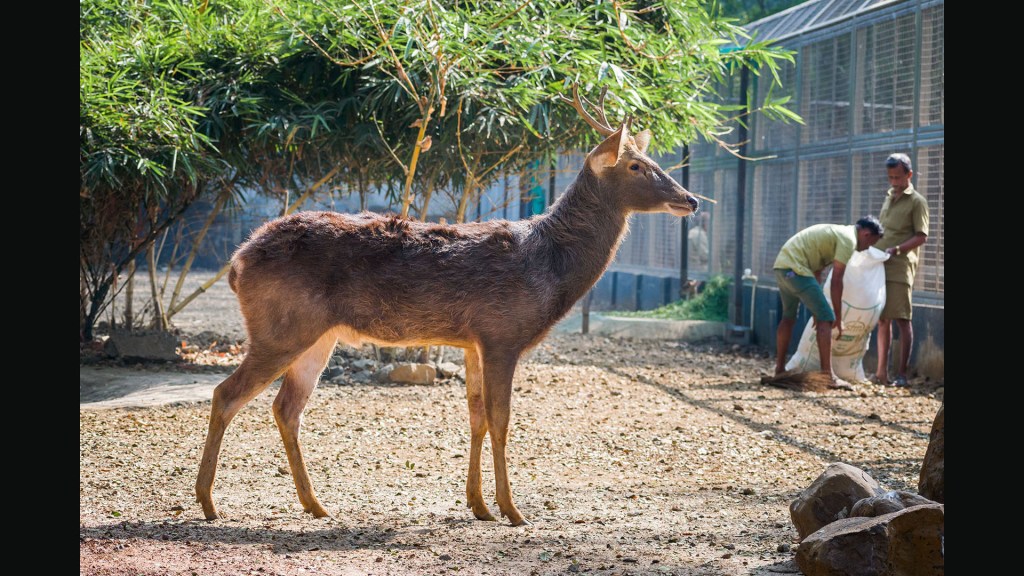
1. Asymmetrical balance:
Also known as informal balance, asymmetrical balance involves the deliberate off-center placement of the main subject in the photograph. It’s a common composition technique, used in the form of the Rule of Thirds. To achieve asymmetrical balance, you have to balance the visual weight of your main subject with a dissimilar object or objects on the opposite side of the frame. In some cases, negative space—the unoccupied area surrounding the main subject—can also work as part of asymmetrical balance.

2. Colour balance:
Bright colours have more visual weight than pastel or muted tones, and too much of one or the other can make the image feel unbalanced. You can achieve colour balance by juxtaposing a small splash of bold colour against a larger neutral, empty space, or vice versa.

3. Conceptual balance:
A conceptually balanced composition features two objects that are philosophical opposites. A photograph featuring a modern skyscraper on the left side of the image and a Victorian home on the right side is an example of conceptual balance.
4. Symmetrical balance:
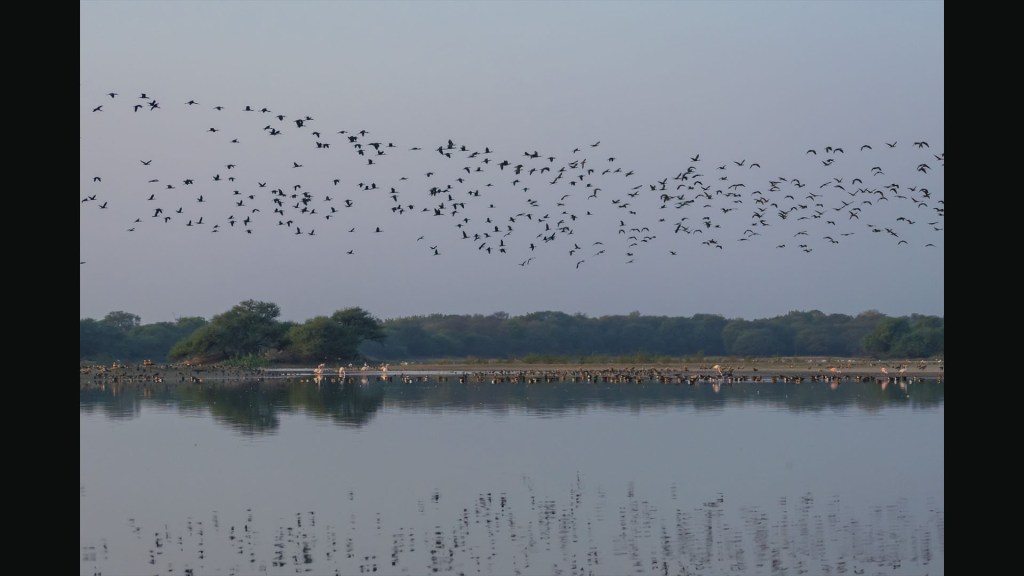
Symmetrical balance requires the photographer to place the main subject at the center of the image so that both sides appear symmetrical or as a mirror image. A symmetrically balanced image might feature the reflection of a tree, bird or other object in the water.
5. Tonal balance:
Like colour balance, tonal balance relies on juxtaposing dark images with lighter ones in black-and-white photography. Dark colors, like bright colors, have greater visual weight than lighter ones, so a tonally balanced photograph would feature images in black and darker shades of grey that contrasted with areas of lighter shades and white.

How to Create Balance in Photography
Here are some photography tips for achieving balance in photography:
1. Use contrast:
You can achieve balance by contrasting size (large objects with smaller ones), texture (smooth surfaces with uneven ones), and amount (a single object of one type surrounded by numerous identical objects). Orientation can also provide balance by juxtaposing vertical or diagonal objects, which are heavy in terms of visual weight, with horizontal ones, which have lighter visual weight.

2. Keep it simple:
Too many subjects in the frame will leave you with an unbalanced photo. Keep it simple and focus on just a few objects.
3. Incorporate the rule of thirds:
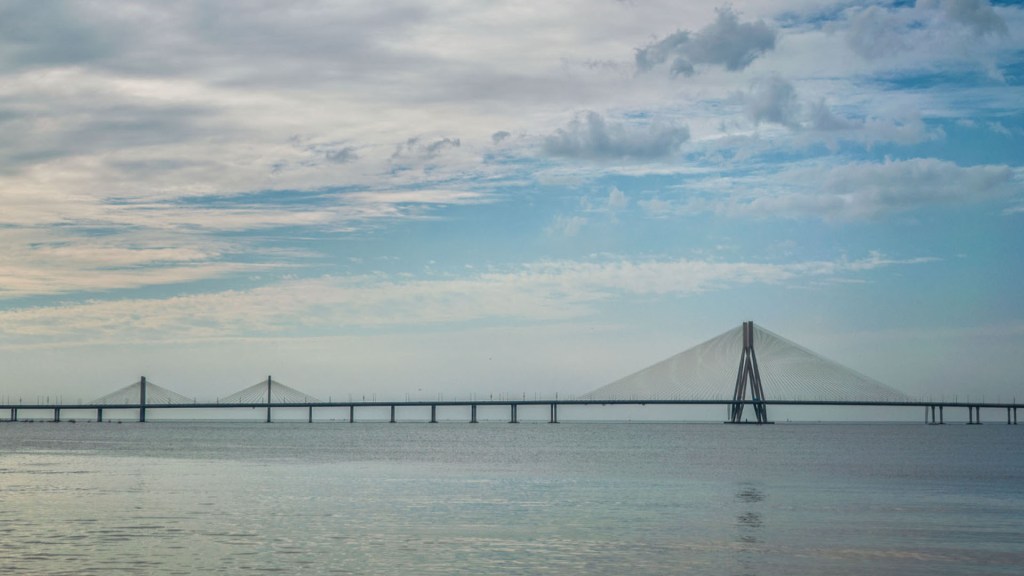
The rule of thirds divides any image into three fields by placing an imaginary grid pattern of four vertical and horizontal lines over it. Objects located where the lines intersect on the grid have visual appeal. Use the rule of thirds if you’re unsure of how to balance your image.

4. Think geometrically
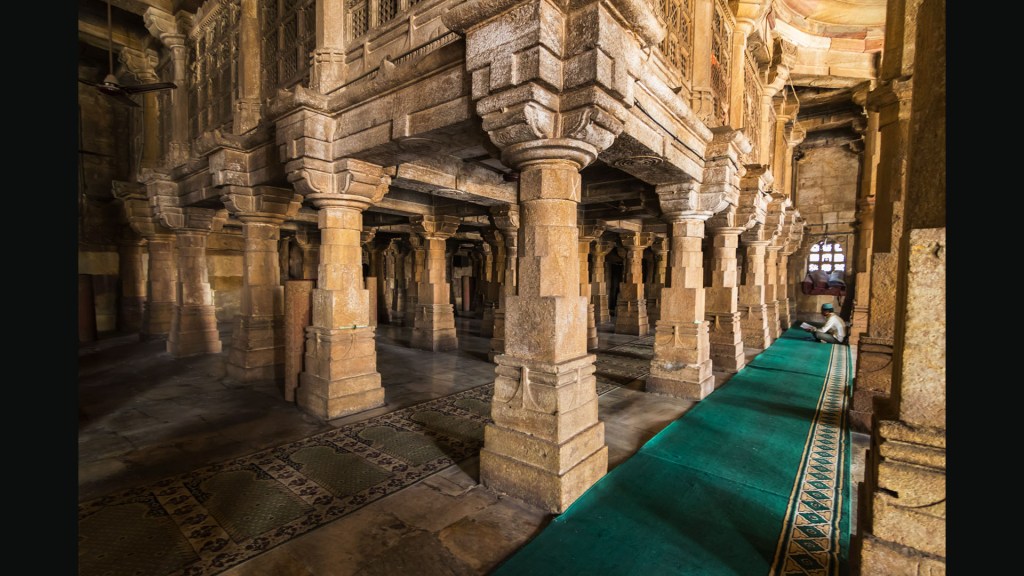
As you take more photographs, you will naturally start to see more geometric shapes in your images and you will start to learn how they fit together to create a pleasing and balanced composition.
5. Edit Your Work:
There are many in-camera and post-processing options that you can use to achieve balance in your photos. You can crop the image or adjust the contrast to draw the viewer’s eye to the object that provide your balance.
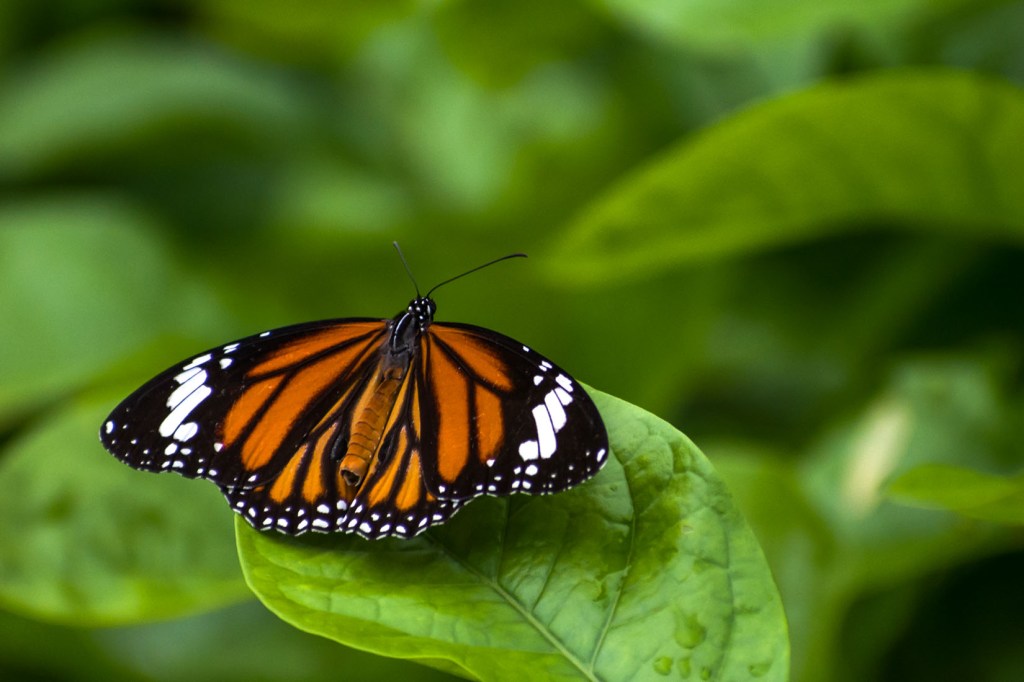
Balance in photography is a simple but important concept to get to grips with. Next time you’re framing a shot, stop to think about the visual weight of the elements in your scene. A small change of composition can have a big impact on your photo’s balance, making the difference between an average shot and a great one.
I hope you liked my blog. Do let me know your suggestions and thoughts in the comments section. Thank you!
Also Read – Rule Of Space in Photography
CONNECT WITH ME:
YouTube: https://www.youtube.com/user/agarwalsonika7
Instagram: https://www.instagram.com/agarwalsonika/
Twitter: https://www.twitter.com/agarwalsonika7/
Facebook: https://www.facebook.com/sonikatravels
 UI/UX DESIGNER | PHOTOGRAPHER