

In essence, textures are details that visually describe how something physically feels. Textures can be smooth, rough, and anything else your hand feels when it touches a surface. e.g. Sand feels fine and granular whereas water has a smooth and glossy texture.
Now I will give you a few tips on how to capture texture with style in your photos.
1. Aperture
The bigger your f-number, the more details your camera will capture. The smaller your f-number, the more blur and bokeh you’ll see in your images. Photos of different textures are usually very detailed and sharp, which means your aperture should be at least f/7.1. But if you want to show depth in your textures, you can go for a lower f-number.
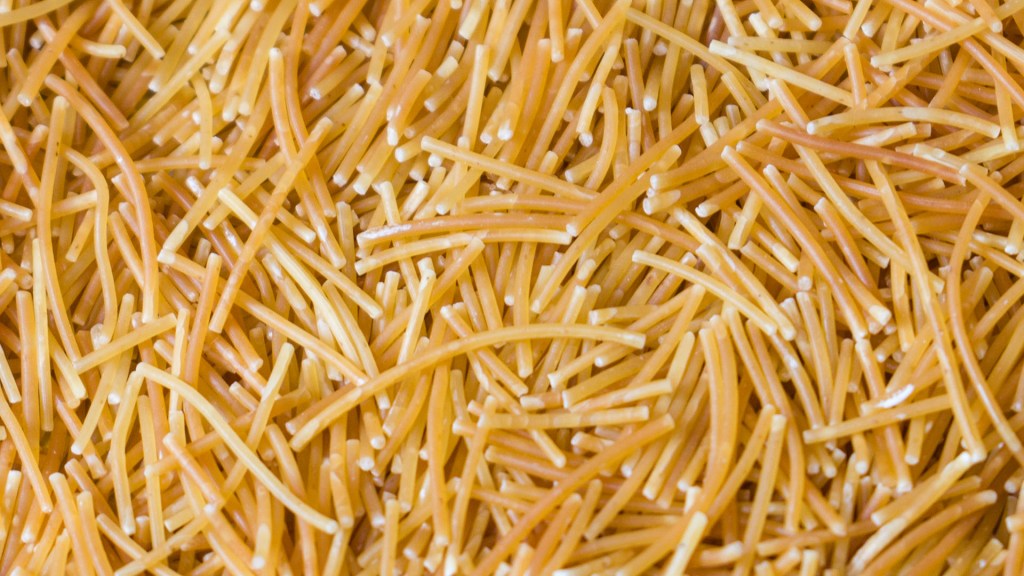
2. Reduce camera shake
Use a tripod to reduce camera shake when you photograph textures. If you want your photos to be completely clear, use the self timer mode of your camera or a remote.

3. Shoot Macro
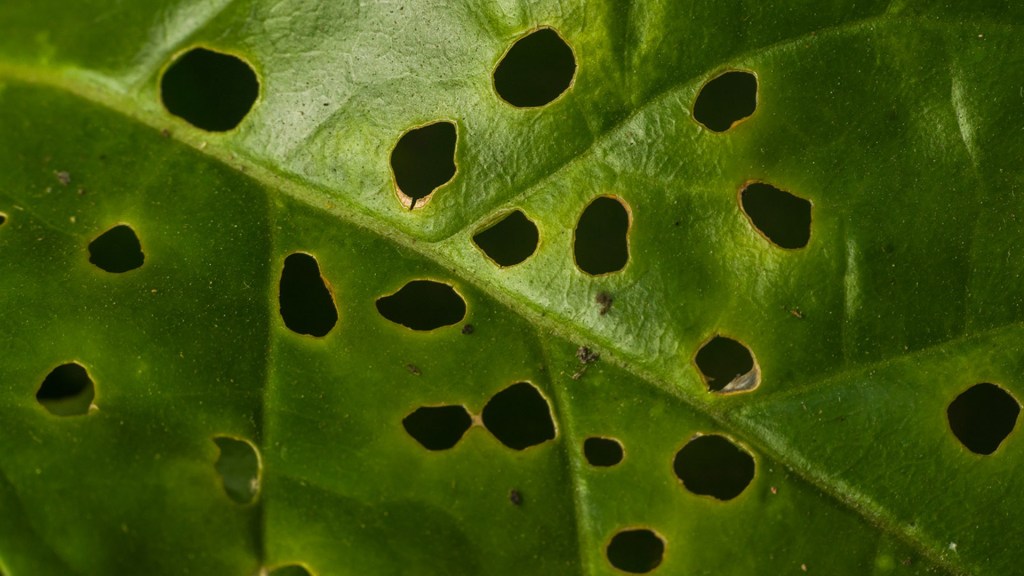
You can capture the most abstract and detailed textures when you go macro. Everything in nature has a pattern and unique texture to it. So take your camera or mobile with a macro mode for a stroll in the park and return with dozens of texture photos.
4. Multiple Angles
Shooting from different angles alters the way the light hits your subject, potentially emphasizing textures that weren’t visible from your original vantage point.

5. Lighting
The way textures look changes as the day progresses. This is what makes natural light or ambient light so unpredictable and fun to work with. Also try working with artificial light. Create your own studio using a simple backdrop (even a large sheet of paper will do) and a light source.

6. Make Your Own Textures
You can make your own textures out of anything you can possibly imagine. Collect and organize natural objects like food, pebbles, leaves, or dried flowers and just click them.
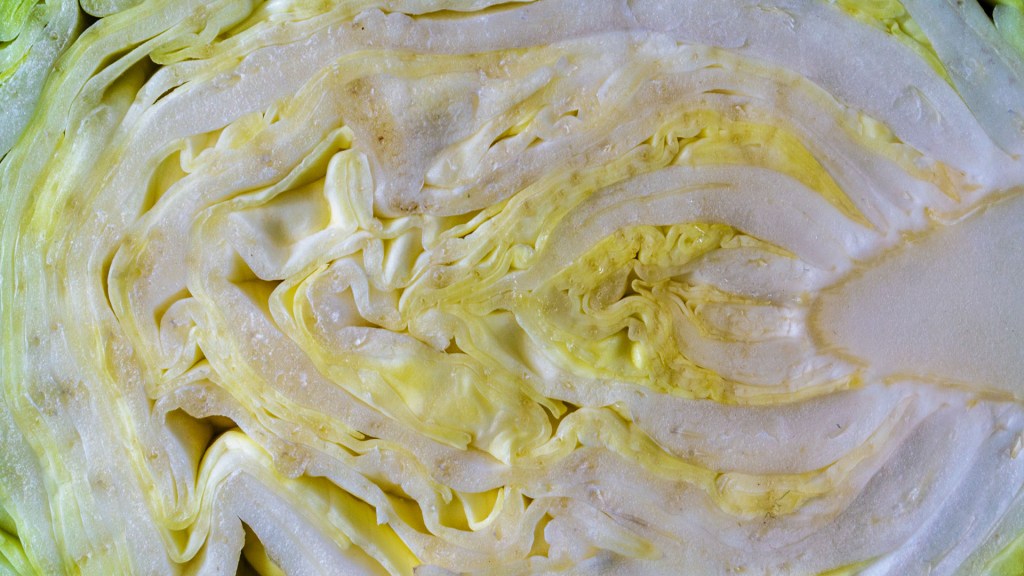
7. Compose with Textures
In your landscape photos, capture a composition with a gentle texture in the foreground. You can try textures of grass, water, clouds, and enhance the depth of your photos.

8. Perspective
One way to experiment with textures is to view things close-up or from a distance. The winding rivers and patchwork fields become great textural elements. Alternatively, a macro lens can let you fill the screen with a detailed surface and create immersive textural compositions.

9. Explore Post-processing
When it comes to photo editing, start with cropping to make sure your photo is framed just the way you want it. Sharpen the image, up the contrast or tweak the shadows and highlights, you can use a variety of tricks to enhance your images in post production.
10. Convey Mood
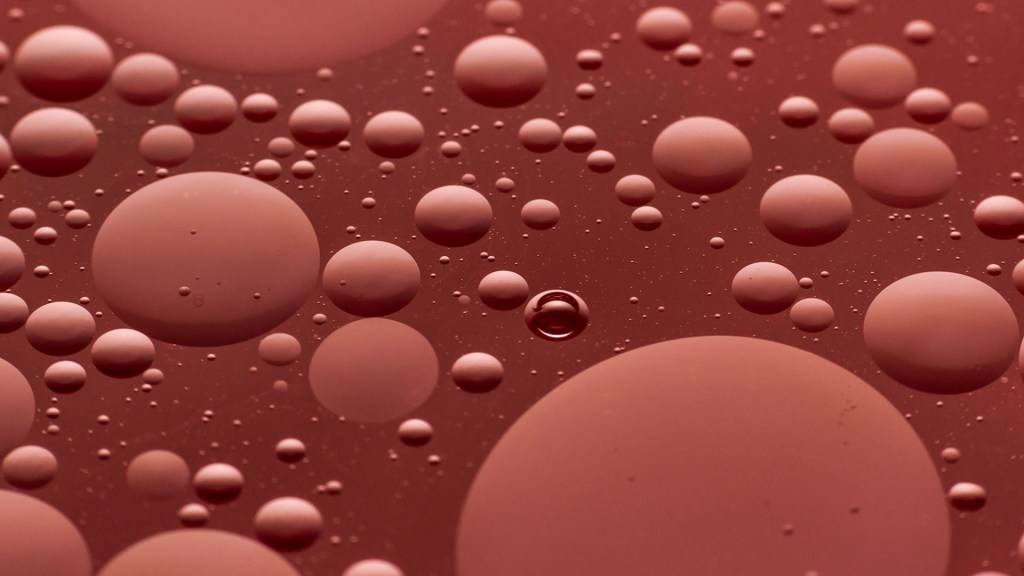
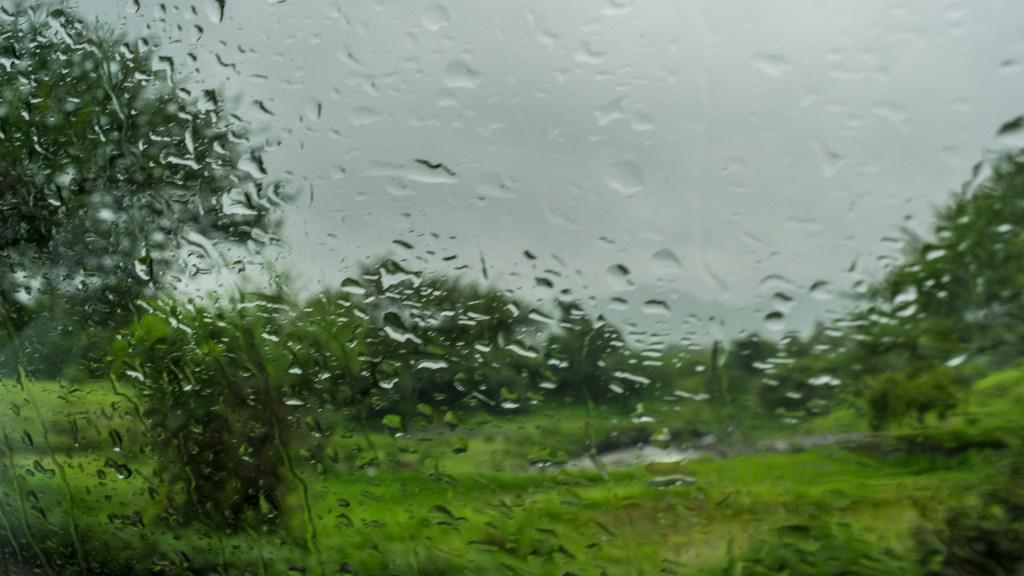
The warm feeling of sitting inside on a cold day as raindrops drip down a window can be perfectly encapsulated in a texture photograph. Meanwhile, an image of the dry leaf evokes a completely different feeling.
I won’t claim that textures are the most important part of composition. But it still influences a photo’s emotional message, which means it’s worth paying attention to
I hope you liked my blog. Do let me know your suggestions and thoughts in the comments section. Thank you!
Also Read – Leading Lines in Photography
CONNECT WITH ME:
YouTube: https://www.youtube.com/user/agarwalsonika7
Instagram: https://www.instagram.com/agarwalsonika/
Twitter: https://www.twitter.com/agarwalsonika7/
Facebook: https://www.facebook.com/sonikatravels
 UI/UX DESIGNER | PHOTOGRAPHER