

Portrait photography is a style of photography that portrays human subjects. In this portrait photography tutorial, I share with you 50 tips to make the most out of your camera. With these tips, you can enhance your shots and turn your good portraits into great portraits. I hope you find them to be insightful and instructive. Get ready for a long scroll!

If you feel it’s too much to read, check out my video about these 50 tips for Portrait Photography…
1. Get Inspiration
Other photographers’ work is great for ideas and inspiration. Google, Instagram, or Pinterest are great places to start.
2. Check Your Gear
Check the batteries, Re-format your cards, and test fire every camera and lens combo to make sure you are ready for anything that comes your way.
3. Shoot in Raw
The raw file contains more data than is represented on the back of your camera screen and you have much more flexibility with editing.
4. Set Low ISO
For the ISO set it as low as you can to avoid excess noise in your photos. Go for somewhere between ISO 100 and 400.
5. Set The Right Aperture
When shooting portraits, it’s best to set a wide aperture (around f/2.8-f/5.6) to capture a shallow depth of field. But if you find that with such a wide aperture, a part of the subject’s face is out of focus, please set it to the value needed to bring your subject in focus.

6. Focus Mode
Use single-point focus here (not zone or multiple points), do not let the camera choose what to focus on for you.
7. Learn About Composition
By learning some composition techniques you’ll stop yourself from taking photos without first thinking about you are arranging elements in the photo.
8. Looking Room
Place the subject on one side of the image and have them look into space towards the other side of the frame. This creates room for the gaze of the subject.
9. Fill The Frame
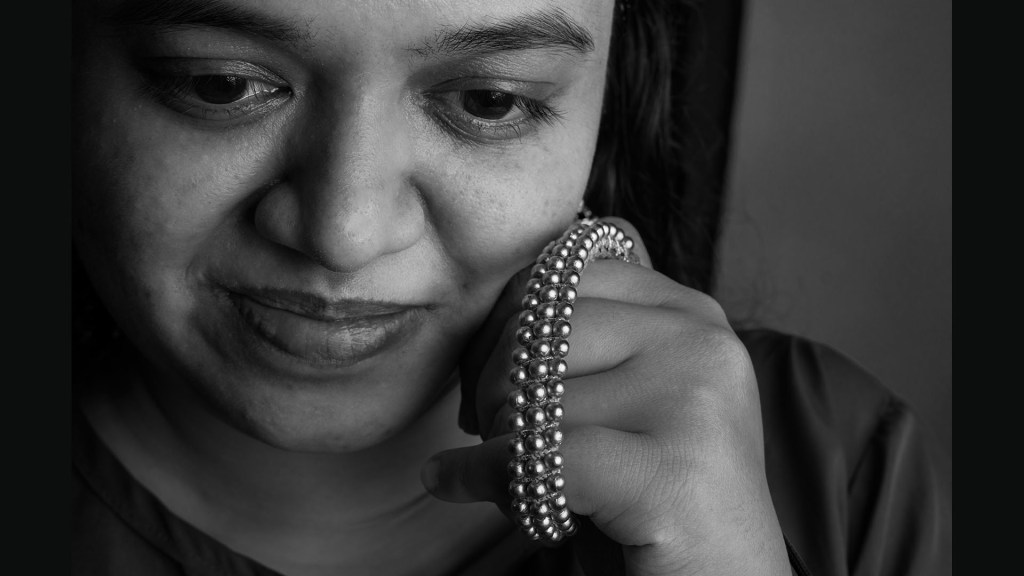
Zoom way in on the subject’s face, eye, or hands. Filling the frame shows great detail and will set your photo apart.
10. Use The Rule of Thirds
The rule of thirds urges you to position your subject along a 3×3 grid; it can often be helpful to put your portrait subject’s eyes along the top-third gridline of your image.
11. Keep Samples
Have sample photos printed out or saved on your phone to remind you of your desired output.
12. Use Natural Light
The preferred choice would be a large window that receives a lot of natural light, preferably in direct sunlight.
13. Understand Light
Find out about hard light and soft light. Although soft light is ideal for portraits, hard light can give high contrast and can be dramatic.
14. Use Off Camera Flash
One of the advantages of using flash when shooting on location is that they are small and portable, yet powerful enough to light a good portrait.
15. Broad & Short Lighting
Broad lighting means the main light illuminates the side of the face that is turned towards the camera. Short lighting means the main light illuminates the side of the face that is turned away from the camera.
16. Use Your Legs
Before you take a photo spend some time walking around to see which angles look best so you get the most interesting perspective.
17. Sharp Eyes
When photographing people, you’ll almost always want to place the emphasis on their eyes. You could have the perfect composition and exposure, but if the eyes aren’t sharp, the entire image suffers.
18. Fill The Shadows
The main light is the dominant light in the setup. You can set up a second light, usually at a lower power, to light areas not lit by the main light.
19. Use A Reflector
If you have only one flash like me you may use a reflector to fill the shadows of your portrait. You may buy a 5-in-1 reflector or simply use a large sheet of white cardboard.
20. Mind The Background
Look for a non-distracting background and blur this by using a large aperture. You don’t want things in the background poking out of your subject’s head.
21. Capture A Sense of Scale
To capture a sense of how big something is, emphasize scale by including something really small in the shot.
22. Use Negative Space
In addition to the subject you are photographing, consider how the negative space (most often the sky) can be used as an additional part of your shot.
23. Hair Light
Putting a flash or the sun behind the subject is perfect for making the model pop in the background.
24. Capture The Environment
Give a sense of place to the portrait and tell the story of the person in the image and what they do.
25. Frame Expressions
Getting great expressions means taking a lot of photos and trying to stay alert when the perfect moment occurs.

26. Change Your Angle of View
Don’t take every photo at eye level. If you’re photographing a child get down to their level rather than looking down from above.
27. Use Colour Gels
Gels can help change the mood or alter the colour temperature of your portraiture. Use them to add a bit of colour and moodiness to your image.
28. Keep It Simple
Fumbling around with softboxes and backdrops won’t improve the photo all the time. Sometimes it’s best just to sit down with a camera, a lens, and the subject being themselves.
29. Pay Attention to Colours
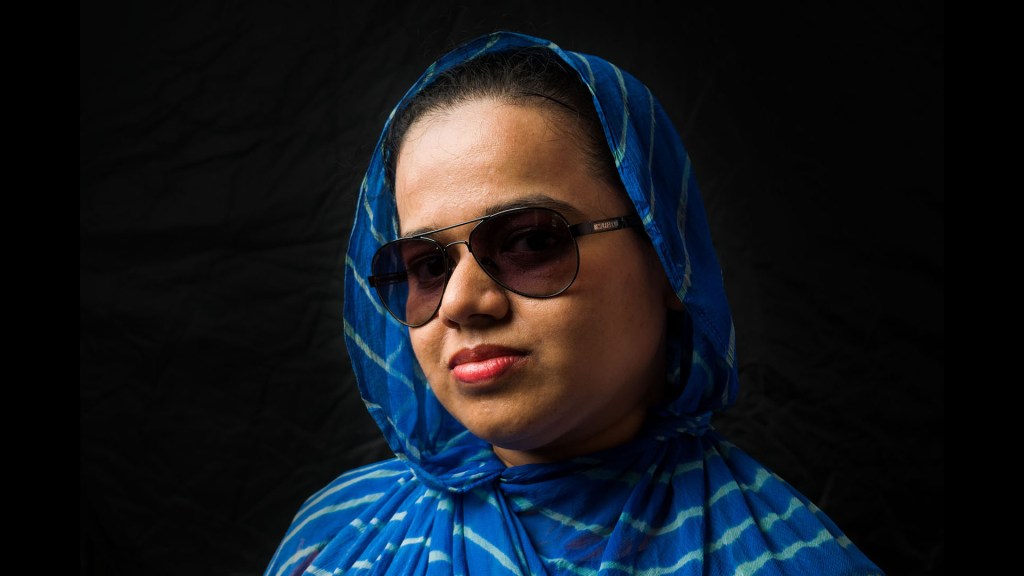
By using colours that work with the background or your subject’s skin tone, you’ll be able to make the subject stand out and draw all attention to their expression.
30. Choose Your Poses
Sit down and spend some time thinking of creative poses, and when you get out to shoot portrait photography, don’t be afraid to try some new things.
31. Vary Your Lens Choice
Explore the effects of different focal lengths and lenses on distance, shape, scale and perspective.
32. Create Contrast
Black and white are obvious contrasts but you can also find more abstract contrasts such as rich and poor, old and young, and ancient and modern.
33. Go for Black & White
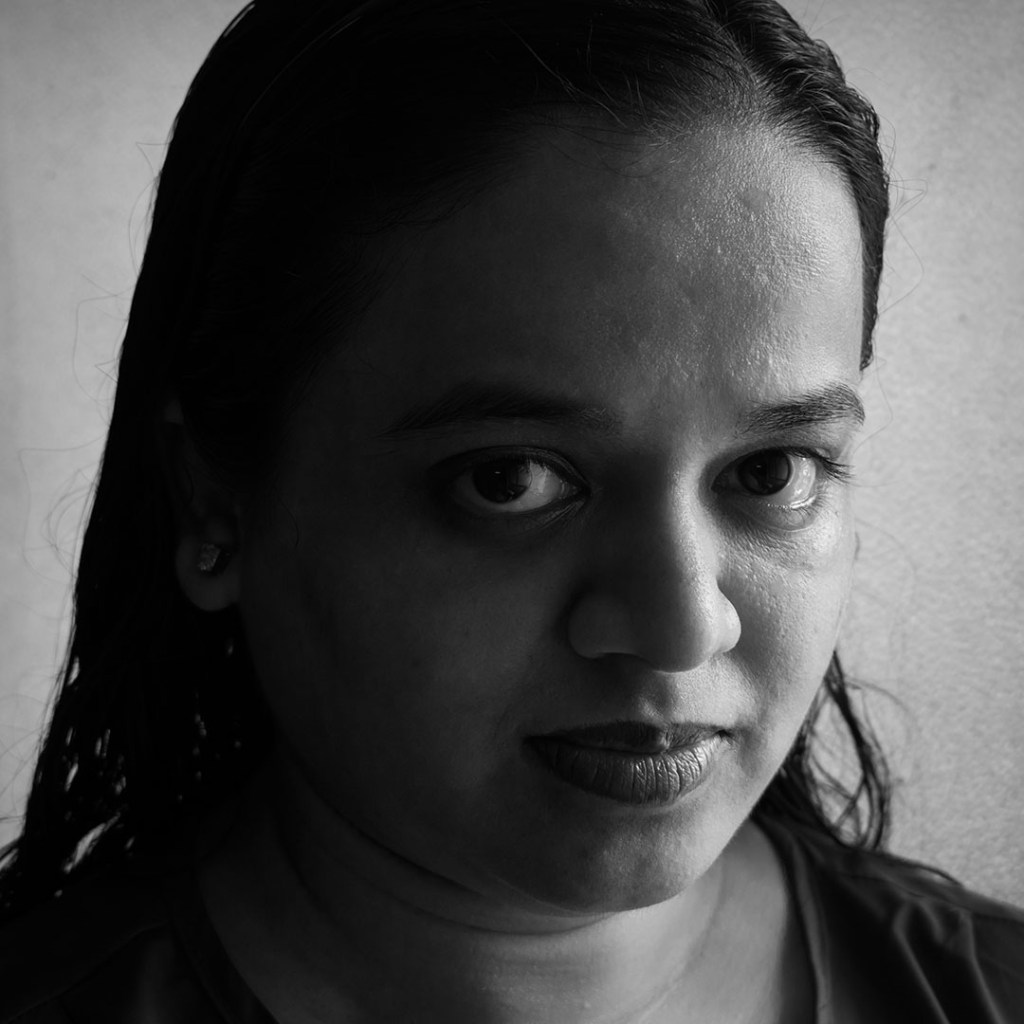
Black and white eliminates the distraction of color and puts all the emphasis on the subject.
34. Use Foreground
Shoot through objects in your foreground, like foliage or architecture, for a more dynamic element to your composition.
35. Introduce A Prop
Props can add a sense of story and place to an image. They can be very simple objects we have at home like hats, jewellery, flowers, etc.

36. Try A Silhouette
The best time to shoot a silhouette is when the sun is low on the horizon and the shape of the model is clear and distinctive.
37. Take Vertical Shots
Don’t forget to vary the way you hold your camera so you get photos in both landscape and portrait orientation.
38. Play With Perspective
In some cases, you might find yourself shooting from above or below the subject’s eye level in order to strengthen the portrait’s feeling of vulnerability or power.
39. Take Lots of Photos
You will improve as a photographer if you go out and take loads of photos. It also helps you try different settings and compositions with each frame.
40. Experiment
Trying different settings and noting the results is a great way to learn. Don’t be afraid to make mistakes, they may just give you some interesting images!
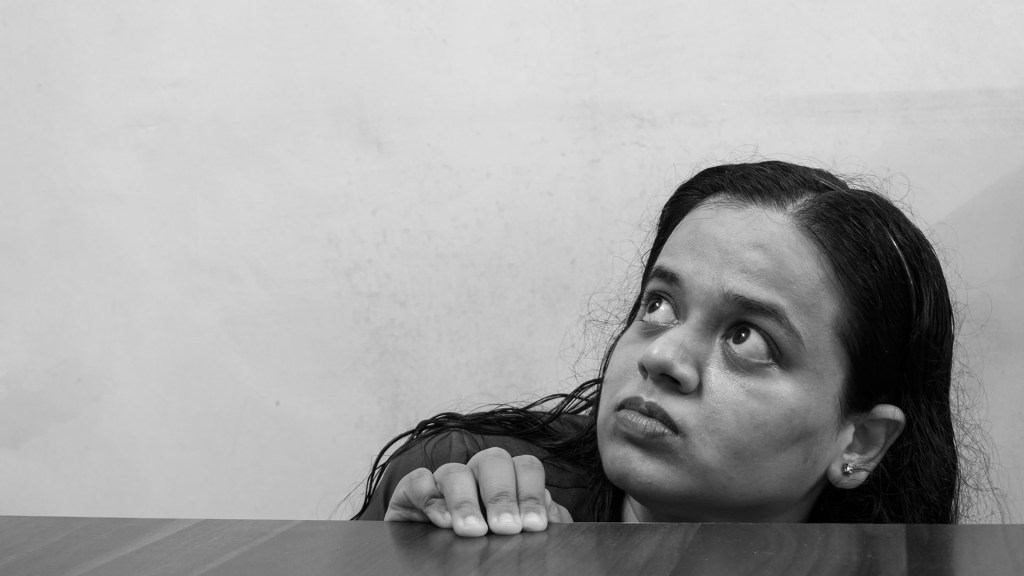
41. Shoot Candidly
Ask your subject if you can shoot them at work, with family, or doing something that they love. This will put them more at ease.
42. Obscure Your Subject
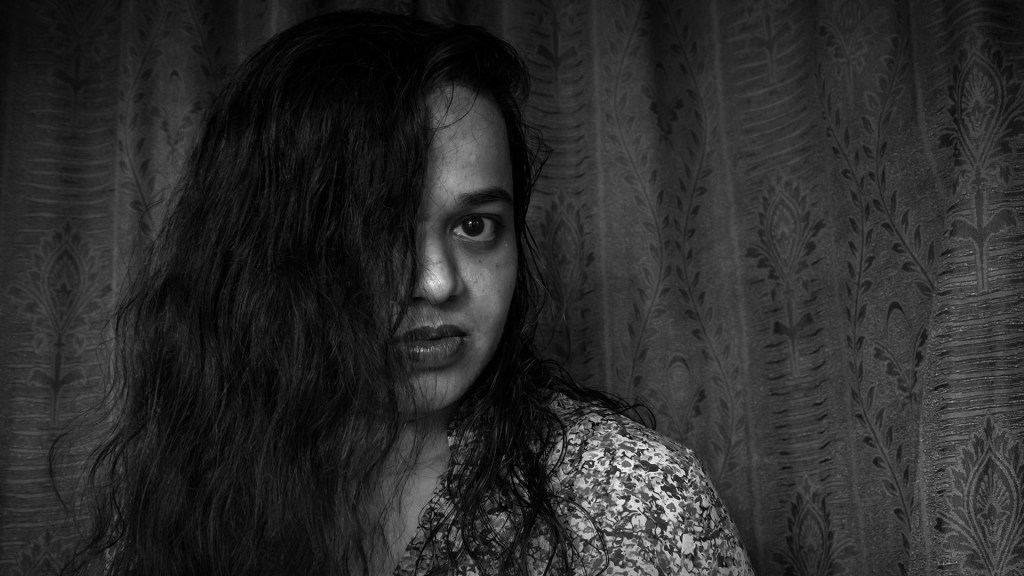
To add some drama, you can cover the face with clothes or hair, or you can use hats or scarves to cover the head.
43. Develop a Style
Try to develop your own style of photography so that people can recognise your photos even if they don’t know you took them.
44. Be Creative
Test your limits and try to constantly come up with new concepts and techniques. It is only by pushing yourself that you’ll be able to take your work to the next level.
45. Learn From Your Mistakes
After every shoot, instead of just throwing away the shots that don’t look good, sit down and study every single one.

46. Understand the Histogram
You can study the histogram when you review your images and it gives you an idea of the amount of light and dark areas in the image.
47. Edit Your Images
Retouching and enhancing your photos with editing software can give your scene the final look it needs.
48. Show Your Work
Get useful feedback by showing your best photos to your friends and family members and sharing them online.
49. Print Your Images
It isn’t always convenient to print photos, but it helps to see some of your photos printed large on the wall.
50. Have A Goal
Your photography goals can be short term like only using aperture priority for a day or long term like getting published in a magazine.
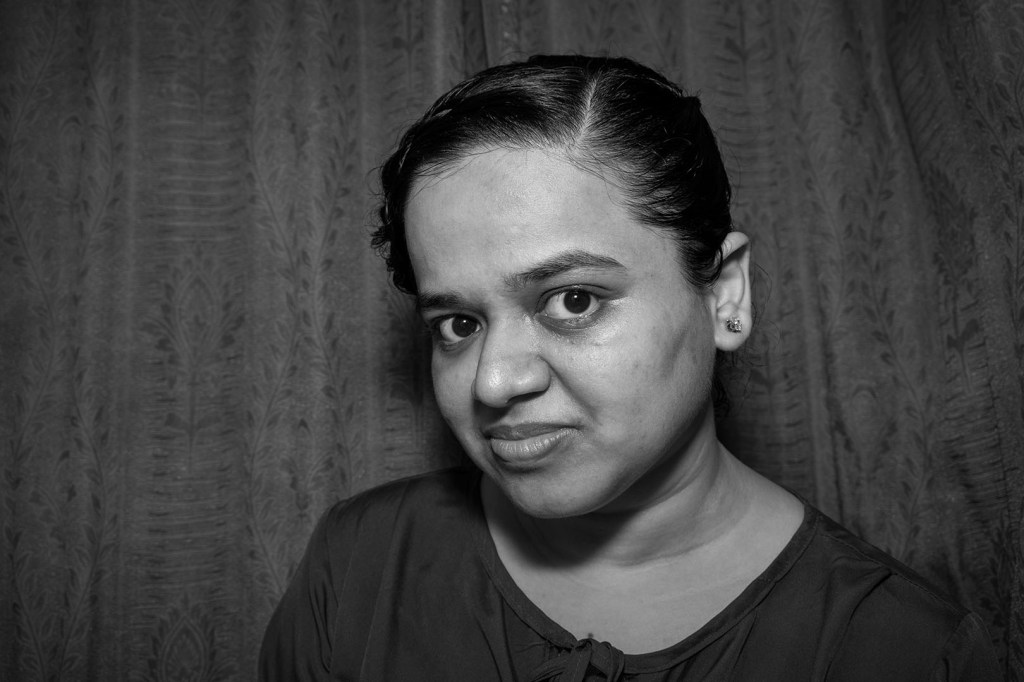
I hope you find these 50 tips to be useful guys. Do comment on what you want to read more about on my blog. Thank you so much for reading. If you liked my blog, please give it a star and start following me. Thank you and happy clicking!
Also Read – 50 Tips for Landscape Photography
CONNECT WITH ME:
YouTube: https://www.youtube.com/user/agarwalsonika7
Instagram: https://www.instagram.com/agarwalsonika/
Twitter: https://www.twitter.com/agarwalsonika7/
Facebook: https://www.facebook.com/sonikatravels/
 UI/UX DESIGNER | PHOTOGRAPHER