

Bird portraits go beyond just capturing a bird; they showcase personality, emotions, and intricate details that make each species unique. A well-composed bird portrait highlights the bird’s expressions, feathers, and eyes while ensuring the background and lighting complement the subject. To create truly outstanding bird portraits, photographers need to consider factors like composition, lighting, and camera settings. This guide explores essential techniques for capturing stunning and unique bird portraits.
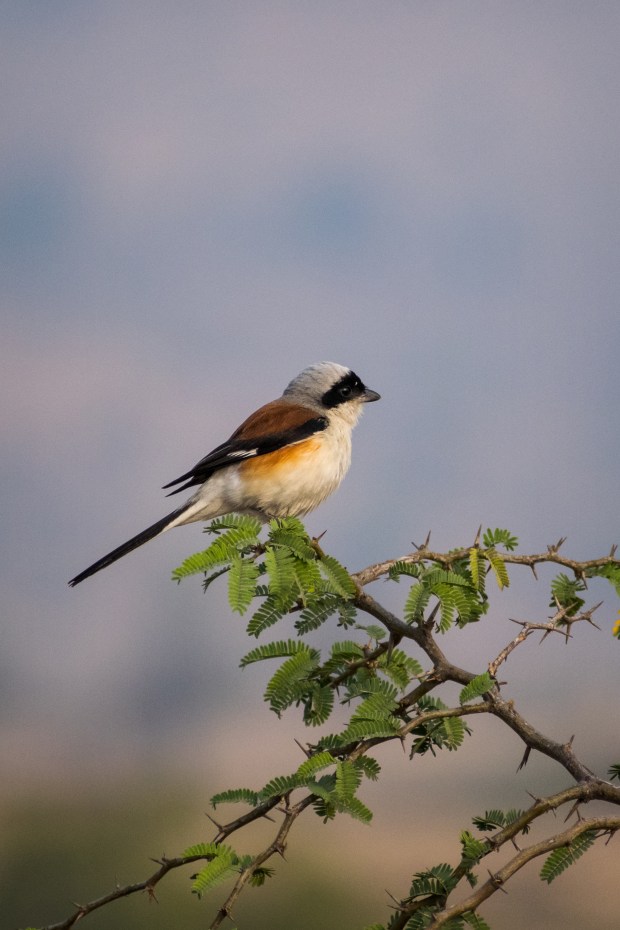
10 Key Points on Capturing Unique Bird Portraits
1. Focus on the Eyes for a Powerful Connection
Just like in human portraits, sharp and well-lit eyes make a bird portrait stand out. The eyes convey expression and bring the image to life. Using single-point autofocus and ensuring the eyes are in sharp focus is crucial for a strong portrait.
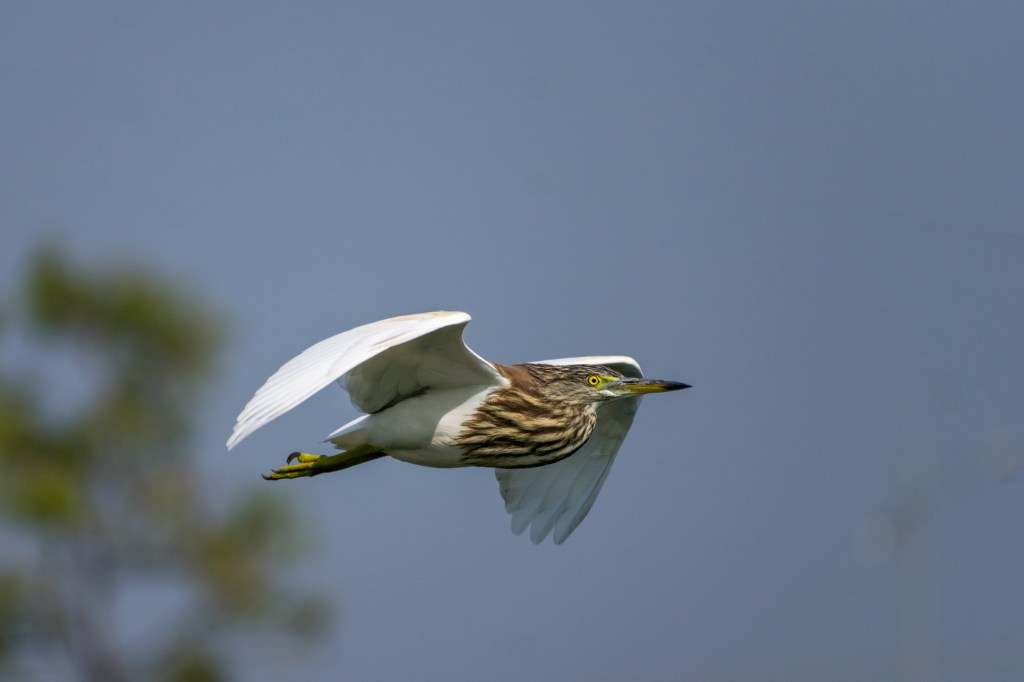
2. Use a Wide Aperture for Background Separation
A blurred background (achieved with a low f-stop like f/4 or f/5.6) helps isolate the bird and make it stand out. This technique removes distractions and ensures the viewer’s attention remains on the subject.
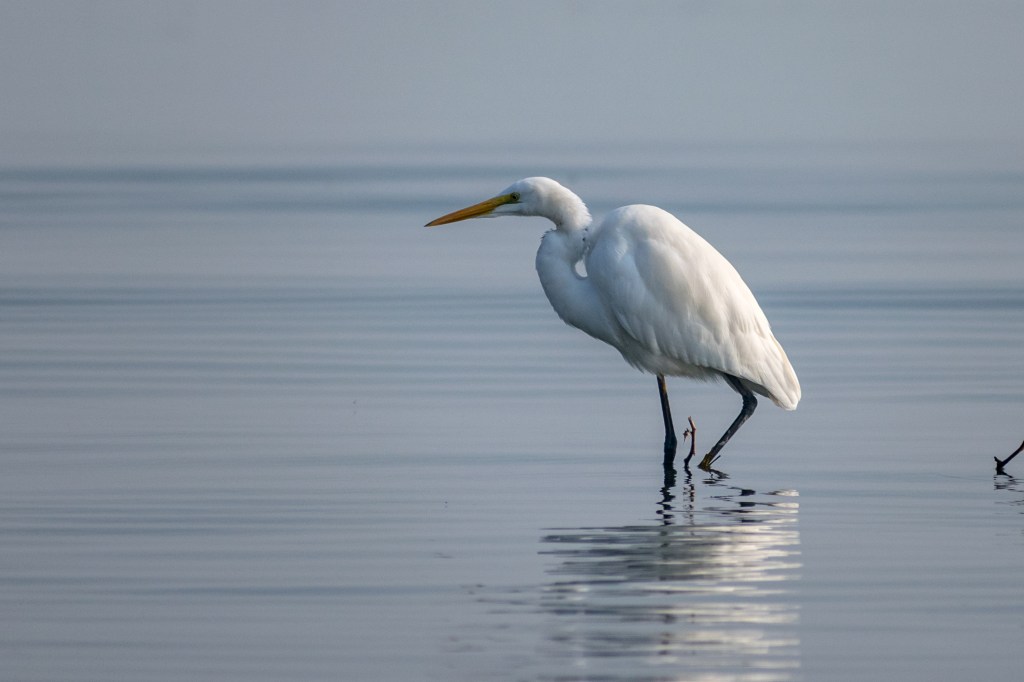
3. Capture Unique Angles and Perspectives
Instead of always shooting from eye level, try different angles. A low-angle shot can create a dramatic effect, while a side profile or top-down perspective can add uniqueness to your portraits.
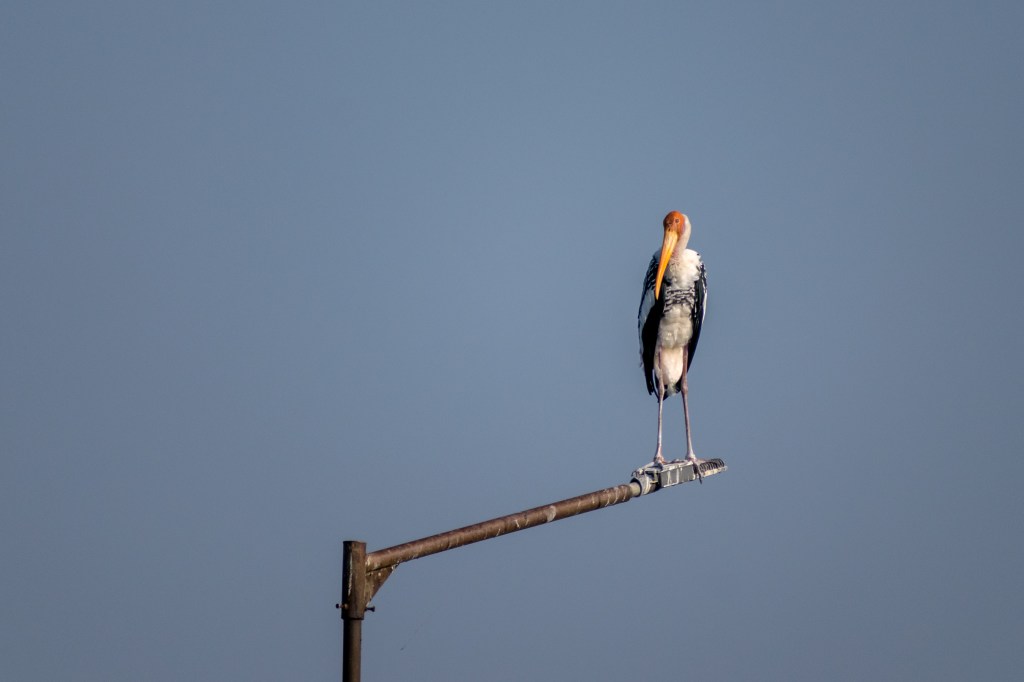
4. Highlight Textures and Feather Details
Zooming in or using a telephoto lens allows you to capture intricate details of the bird’s feathers, patterns, and colors. Close-up portraits showcasing fine textures can make a photo look more artistic and professional.

5. Play with Lighting for Dramatic Effects
Soft morning or evening light (golden hour) enhances warmth and detail. Backlighting can create stunning rim lighting around the bird’s feathers, while side lighting adds depth and dimension. Avoid harsh midday light to prevent overexposure.

6. Capture Expressions and Emotions
Birds display a range of emotions through their posture, gaze, and movements. A slight head tilt, an intense stare, or a mid-call expression adds character to the portrait, making it feel more dynamic and engaging.

7. Use the Rule of Thirds for Better Composition
Placing the bird’s eye along the rule of thirds grid creates a balanced and visually appealing composition. Experiment with framing to ensure the subject is positioned in an interesting way rather than centered in every shot.

8. Include a Touch of the Bird’s Habitat
While blurred backgrounds work well, sometimes including a bit of the bird’s natural surroundings—like a branch, flower, or water reflection—adds depth and storytelling to the portrait.

9. Patience and Observation are Key
Unique portraits come from waiting for the perfect moment. Observing bird behavior helps anticipate movements and capture natural, unforced expressions. The more time spent watching, the better the shot will be.

10. Post-Processing for Enhancing the Final Image
Editing tools like Lightroom or Photoshop can enhance colors, adjust exposure, and sharpen feather details. However, keeping the edits natural ensures the portrait remains authentic and true to the bird’s natural beauty.
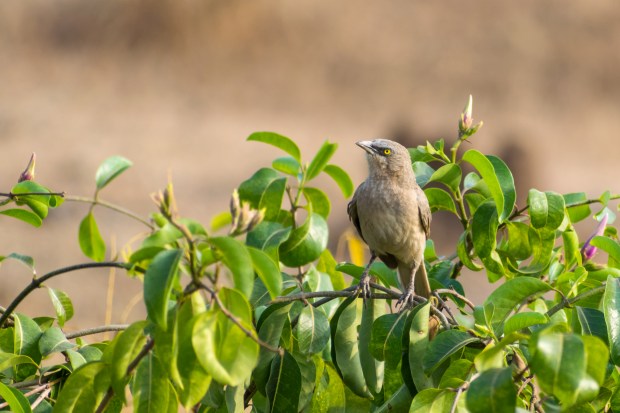
Bird portraits are a combination of technical skills, patience, and artistic vision. Focusing on the eyes, experimenting with light, and carefully composing the shot can transform an ordinary bird photo into a striking portrait. By paying attention to details, expressions, and backgrounds, photographers can create unique and memorable bird portraits that tell a story. Mastering these techniques will help you stand out and develop your own style in bird photography.
Also Read – Importance of Background in Bird Photography
CONNECT WITH ME:
YouTube: https://www.youtube.com/user/agarwalsonika7
Instagram: https://www.instagram.com/agarwalsonika/
Twitter: https://www.twitter.com/agarwalsonika7/
Facebook: https://www.facebook.com/sonikatravels/
 UI/UX DESIGNER | PHOTOGRAPHER