
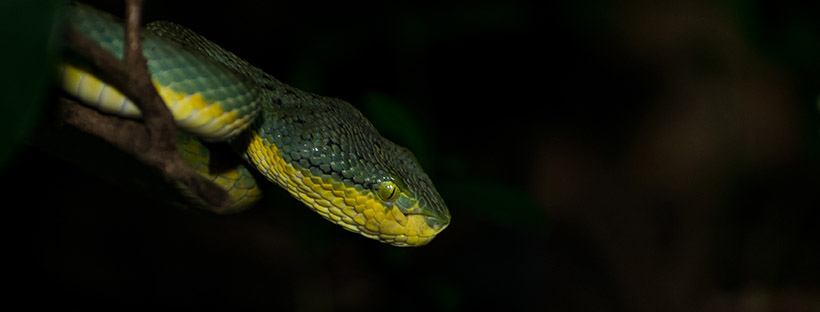
Macro photography at night presents unique challenges and opportunities. With reduced light, focusing becomes tricky, and subjects like nocturnal insects, dewdrops, and flowers require special techniques to capture stunning details. If you’re using a dedicated macro lens or a macro filter like the Raynox DCR-250, understanding how to control light, stability, and focus is crucial. Here’s how you can master night macro photography with your gear.

1. Use a Strong Light Source
A good external light source is essential for night macro shots. Use an LED flashlight, a ring light, or an external flash to illuminate your subject without overexposing the highlights. A macro lens magnifies details, making proper lighting even more critical for sharp results.
2. Adjust Camera Settings for Low Light
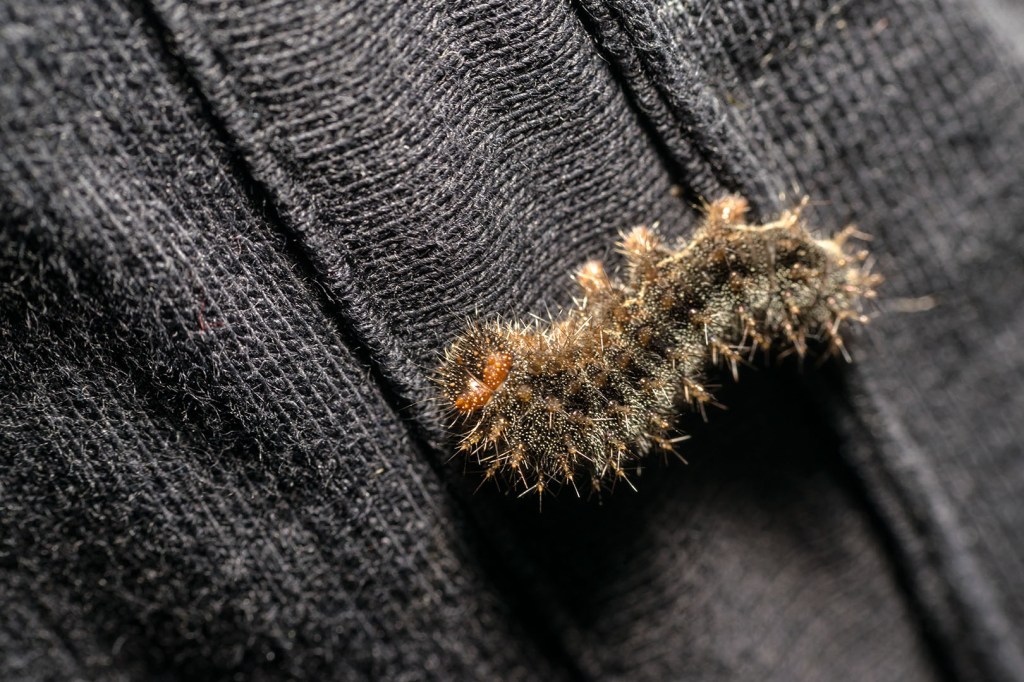
Since night photography has minimal ambient light, start with a wide aperture (f/5.6–f/8) for better depth of field, use a slower shutter speed if the subject is still, and set ISO between 800-1600 for a good balance of brightness and noise control. A tripod and remote shutter can help reduce motion blur when using slow shutter speeds.
3. Stabilize Your Setup to Avoid Shake
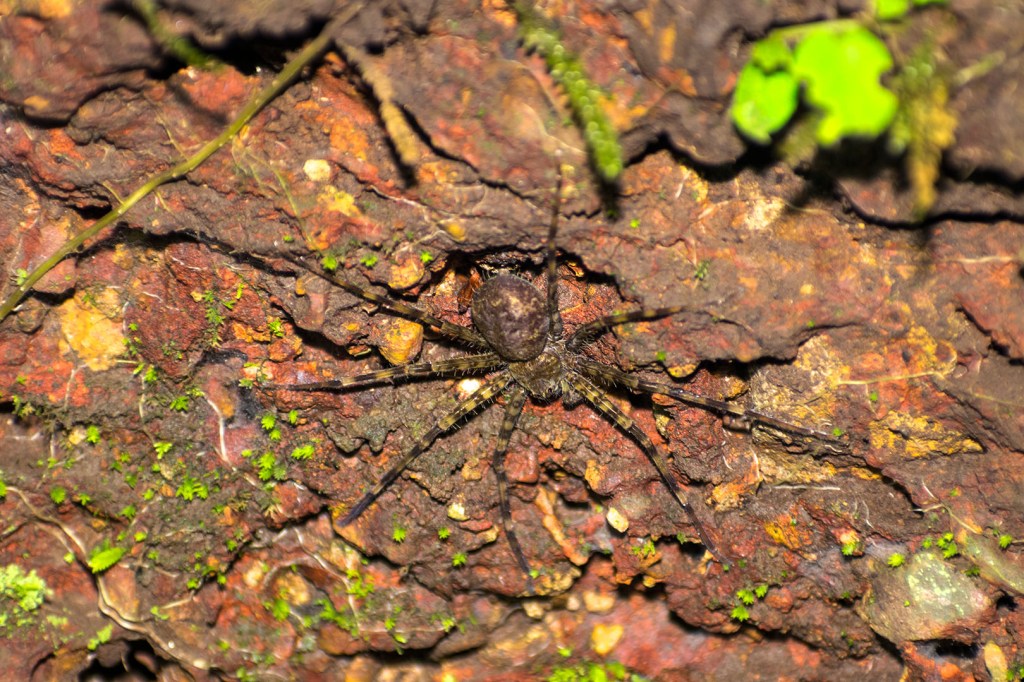
Shooting macro at night means any small movement can ruin your shot. Use a sturdy tripod and, if possible, a focusing rail for fine adjustments. If shooting handheld, use your camera’s image stabilization feature and brace your arms against a solid surface to reduce shake.

4. Focus Manually for Precision
Autofocus struggles in low light, so switch to manual focus for better accuracy. Use focus peaking (if available) to see sharp areas clearly. If using the Raynox DCR-250, fine-tune focus by moving your camera slightly forward and backward instead of adjusting the lens.
5. Use a Diffuser for Softer Light
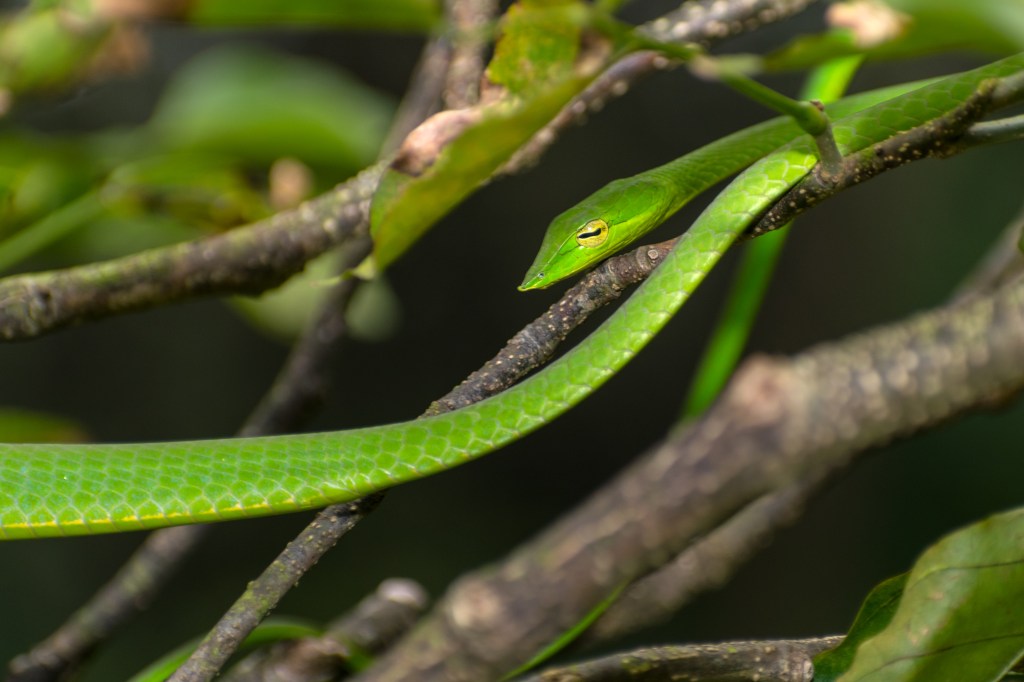
Direct flash can create harsh shadows and reflections on insects or dewdrops. Attach a diffuser to your flash or LED light to spread the light evenly. A simple DIY solution is placing a piece of white tissue or plastic over your light source for a softer effect.
6. Choose the Right Subjects
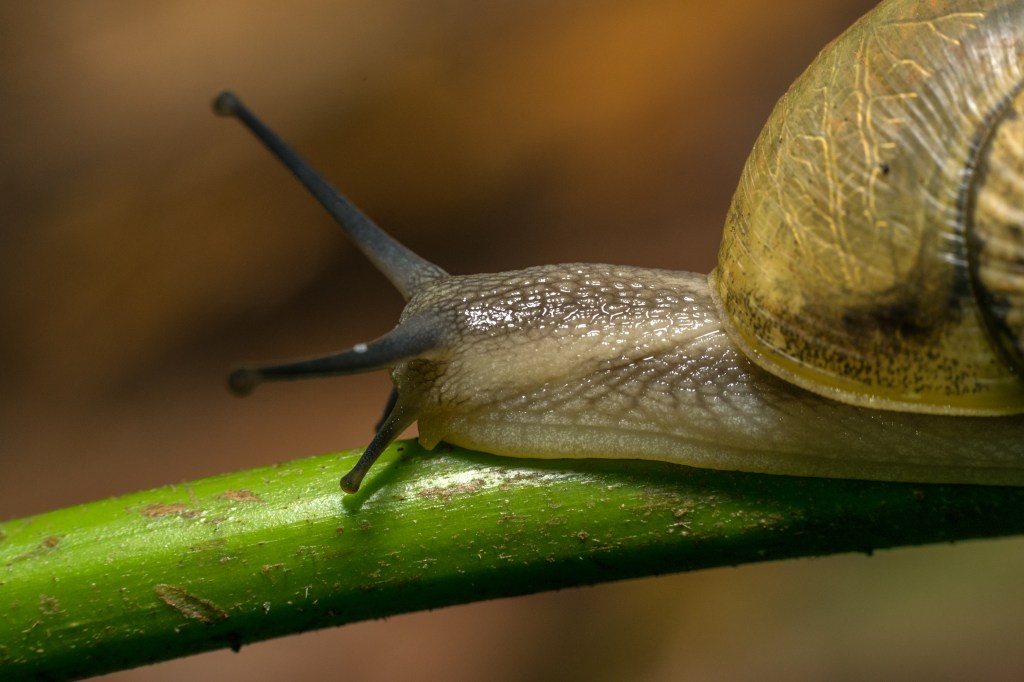
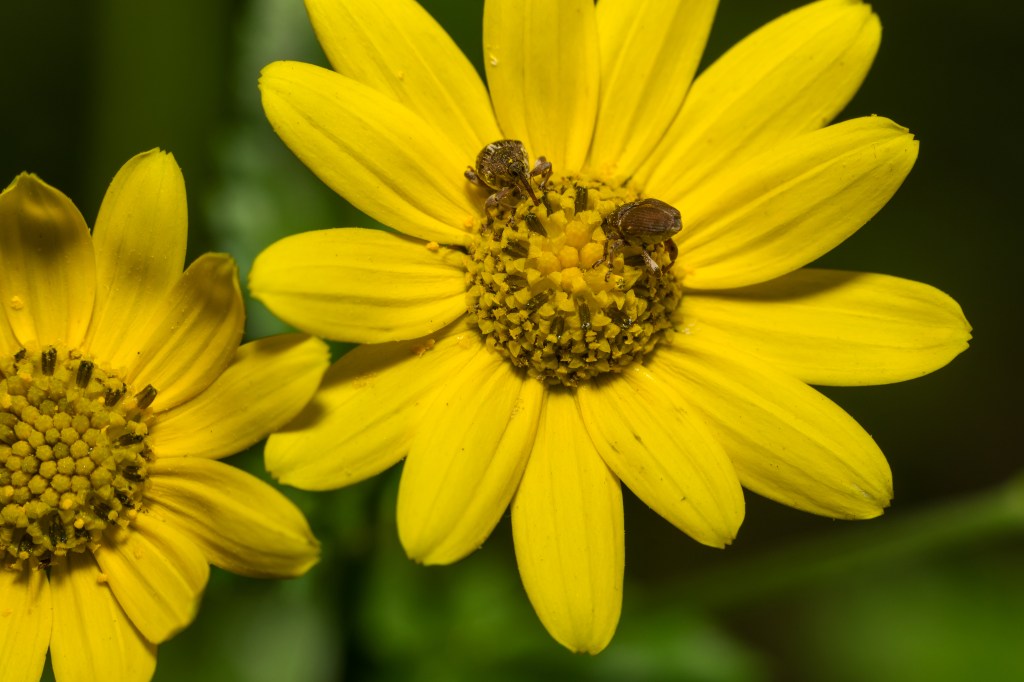
At night, look for subjects like moths, spiders, dewdrops on leaves, or glowing mushrooms. Focus on intricate details like the eyes of nocturnal insects or tiny patterns on flower petals. The magnification helps reveal textures that are invisible to the naked eye.

7. Experiment with Light Angles for Dramatic Effects
Side lighting enhances textures, while backlighting can create glowing effects on subjects like insects with translucent wings. Try holding your flashlight at different angles to see how it affects your composition.
8. Take Multiple Shots for Better Sharpness
Since shooting macro at night can be tricky, take multiple shots with slight focus adjustments to ensure at least one image is perfectly sharp. Use burst mode or focus stacking to capture variations and blend them later in post-processing for extended depth of field.
9. Use a Remote Shutter or Timer to Prevent Vibrations
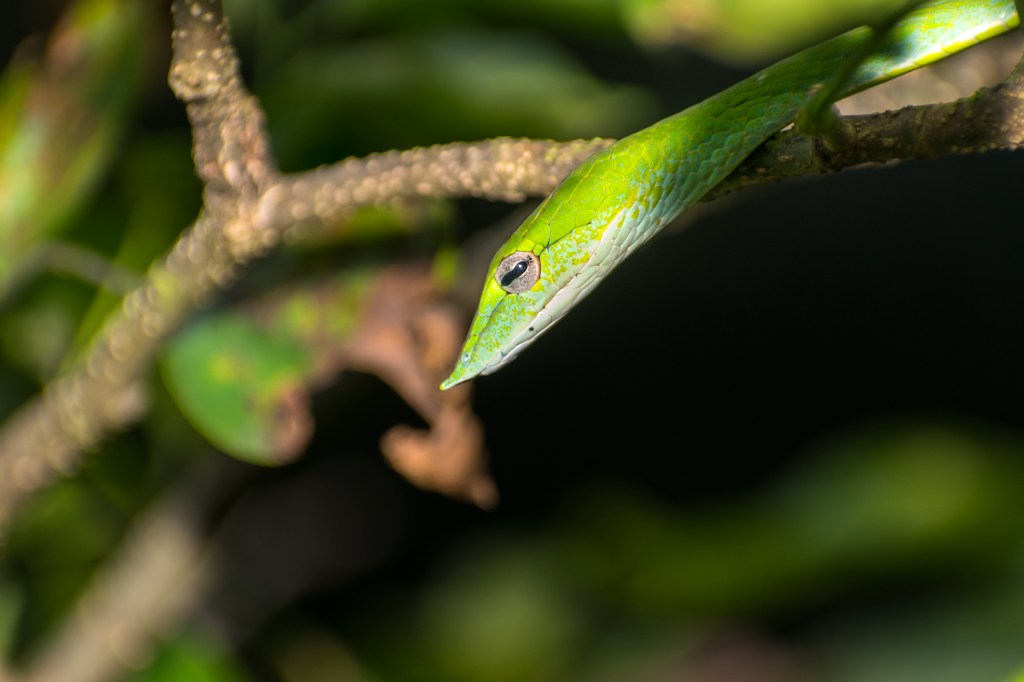
Even the smallest vibration can cause blur in extreme macro shots. If using a tripod, set a 2-second timer or use a remote shutter release to avoid camera shake. This is especially useful when working with the high magnification of macro lenses.
10. Post-Processing to Enhance Details
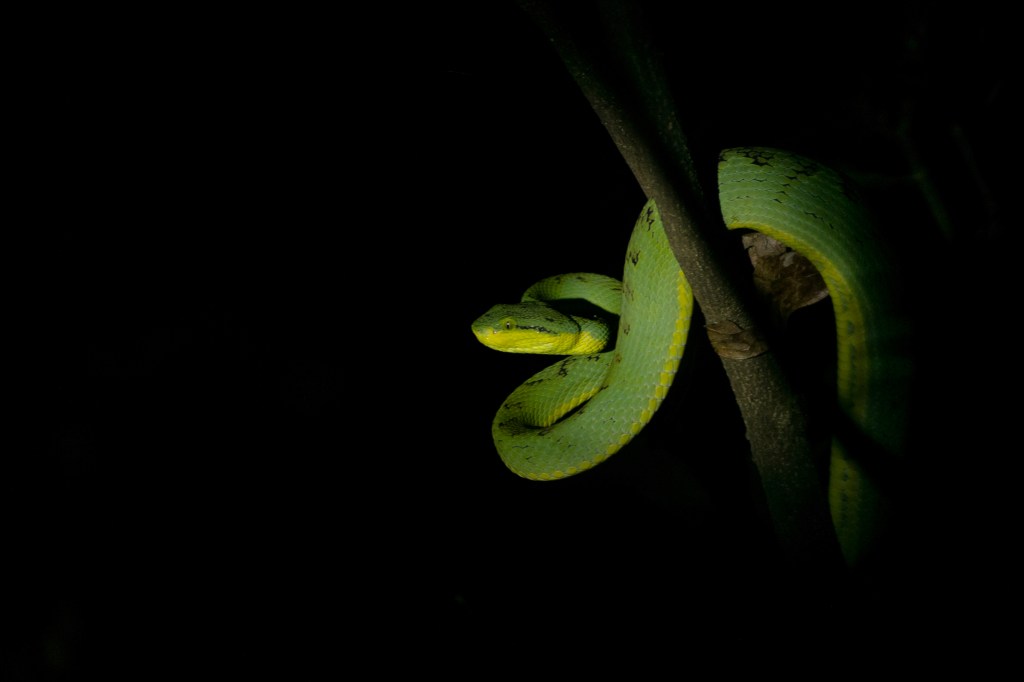
Night macro shots often need adjustments in contrast, sharpness, and noise reduction. Use Lightroom or Photoshop to fine-tune exposure, remove unwanted noise, and enhance the clarity of fine details. Selective sharpening can help bring out your subject while keeping the background soft.

Shooting macro photography at night opens up a fascinating world of tiny details that are often overlooked. With a macro lens or the Raynox DCR-250, proper lighting, stabilization, and manual focusing techniques can help you capture stunning images of nocturnal insects, dewdrops, and textures. Experiment with different light sources, angles, and post-processing to bring out the best in your night macro shots.
Also Read – Macro Photography of Leaves
CONNECT WITH ME:
YouTube: https://www.youtube.com/user/agarwalsonika7
Instagram: https://www.instagram.com/agarwalsonika/
Twitter: https://www.twitter.com/agarwalsonika7/
Facebook: https://www.facebook.com/sonikatravels/
 UI/UX DESIGNER | PHOTOGRAPHER