

Today we are going to dive into Minimalism in photography. Minimalist photography is a form of photography that is distinguished by extreme simplicity. It focuses solely on the smallest number of objects, and it’s normally composed in a clean, clinical way with very little differences in the colours and tones of the image.
Now I am going to give you 10 tips on how to take beautiful minimalistic photos of your own.
1. Simplicity – Keeping it simple doesn’t mean keeping it boring. In fact, a minimalist approach requires careful thought, observation and the creativity of working within certain boundaries — exploring how much information to keep and how much to take away from the image before it loses impact.
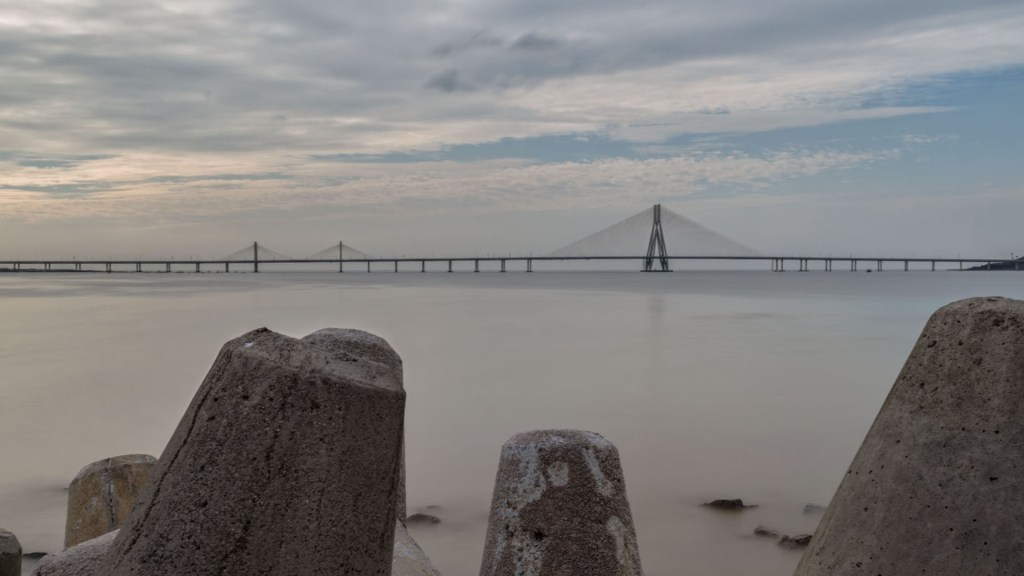
2. Long Exposure – Long exposure is a great way to get that minimalist look. A long exposure will eliminate the texture and tones of water which further enhances the minimalist effect.
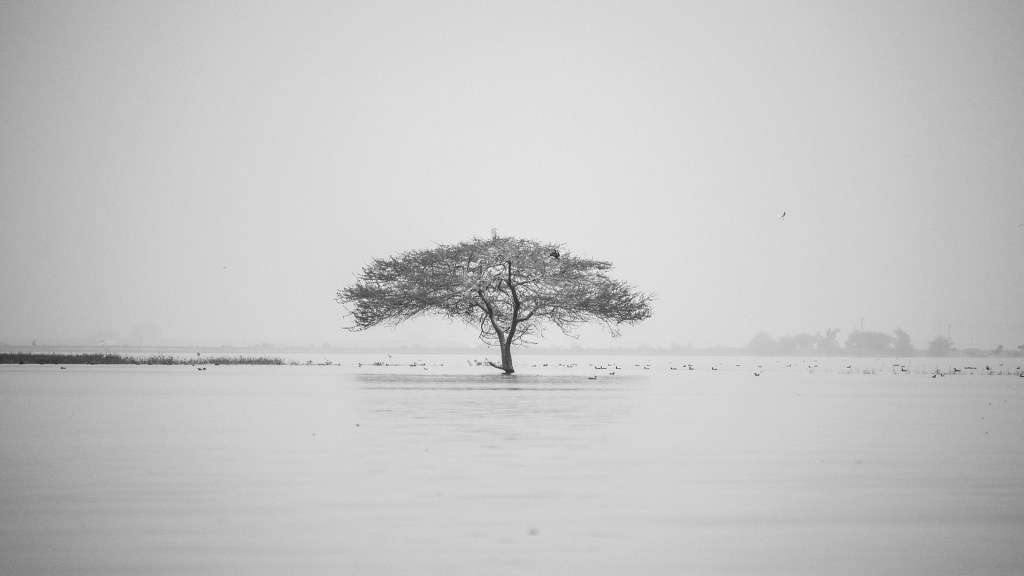
3. Black and White – Turning your picture black and white is a classic technique in minimalist photography because it removes any distractions that can be caused by jarring colours. The minimalist effect has been created by a clever use of composition, and by removing any colour from the scene.
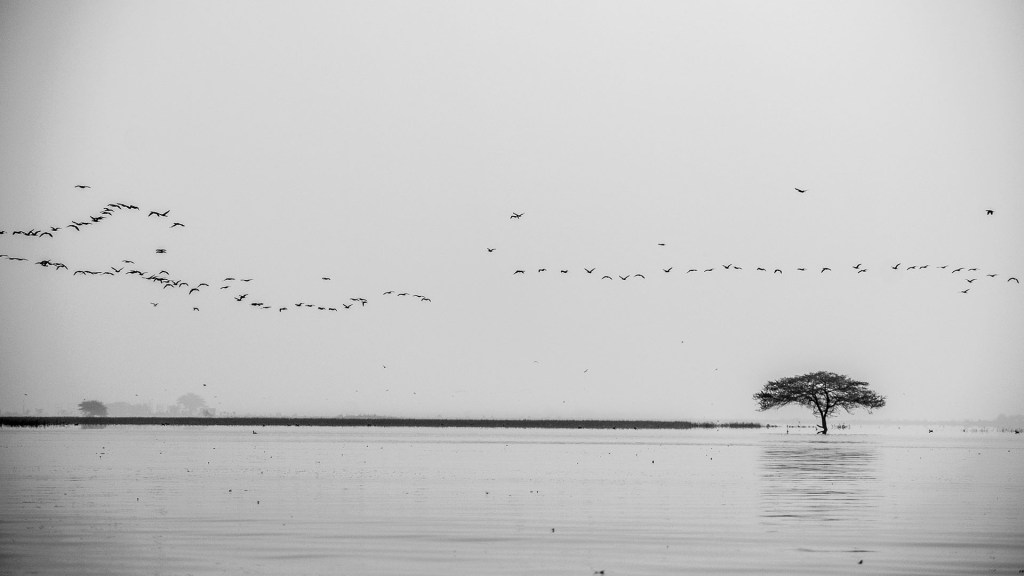
4. Colour – In contrast to black to white minimalist photography, using colour can also give striking results as long as you use a minimal amount of colours or shades of one colour, also known as monochrome. Here is a good example of a monochrome image.
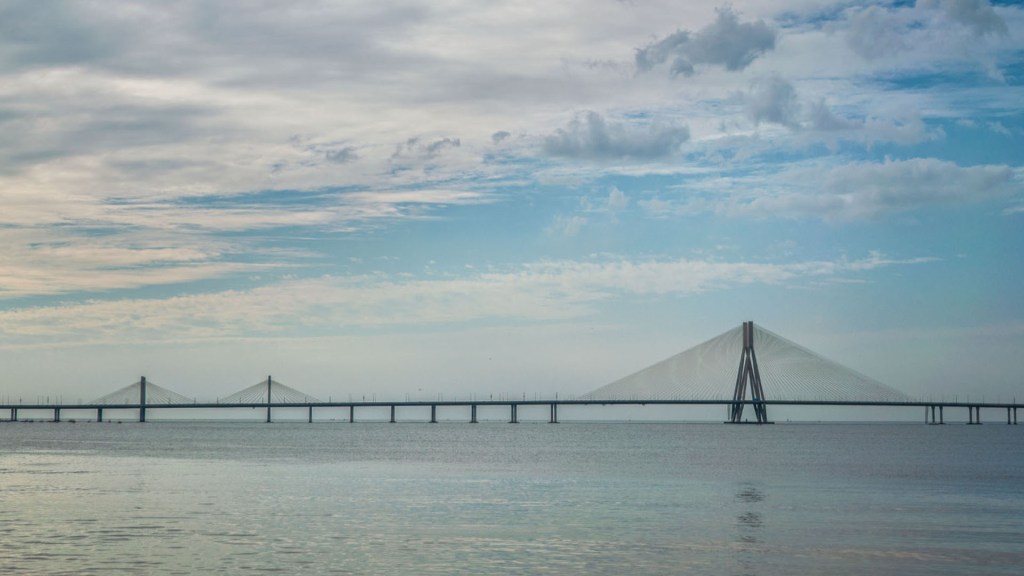
5. Negative Space – The key to using negative space successfully is to make sure it is minimal in colours and tones, and to place it correctly within the frame. Remember negative space should be there to enhance the object it is surrounding.
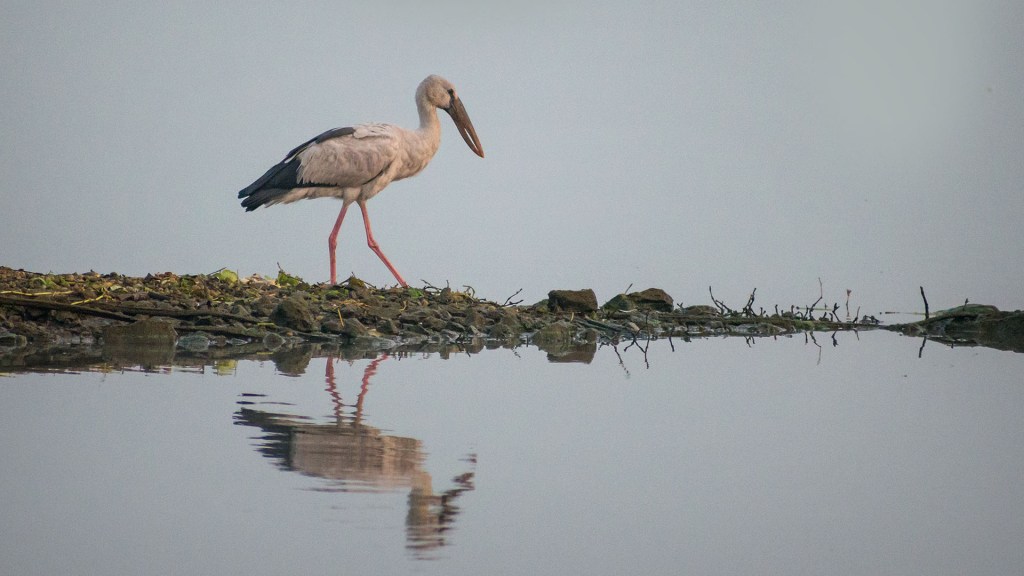
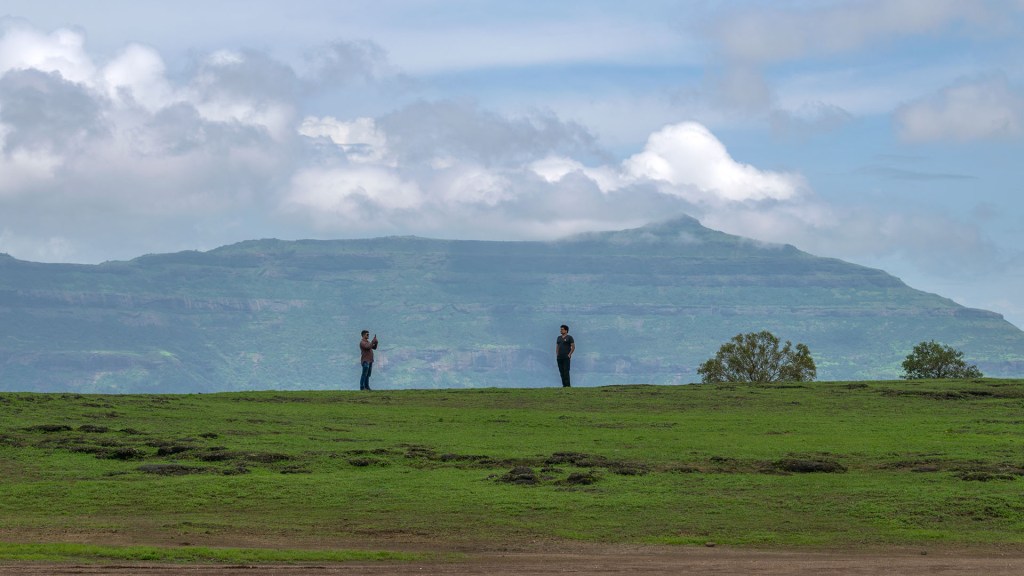
6. Sense of Scale – A sense of scale is created by putting together objects in your scene that show the size of something by its relationship with other parts of the scene, e.g. a fisherman in a lake. This works particularly well with minimalist photography as the subject seems to sit in a vast empty scene.
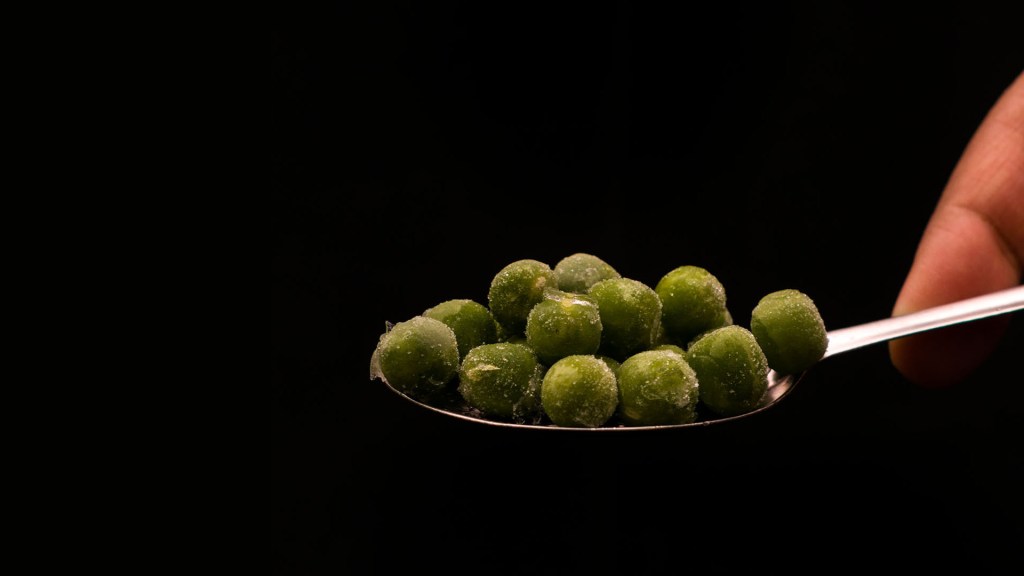
7. Still Life – You don’t have to comb the streets or do long exposures to get minimalist photography. You can simply set up still life scenes at home and get fantastic results.
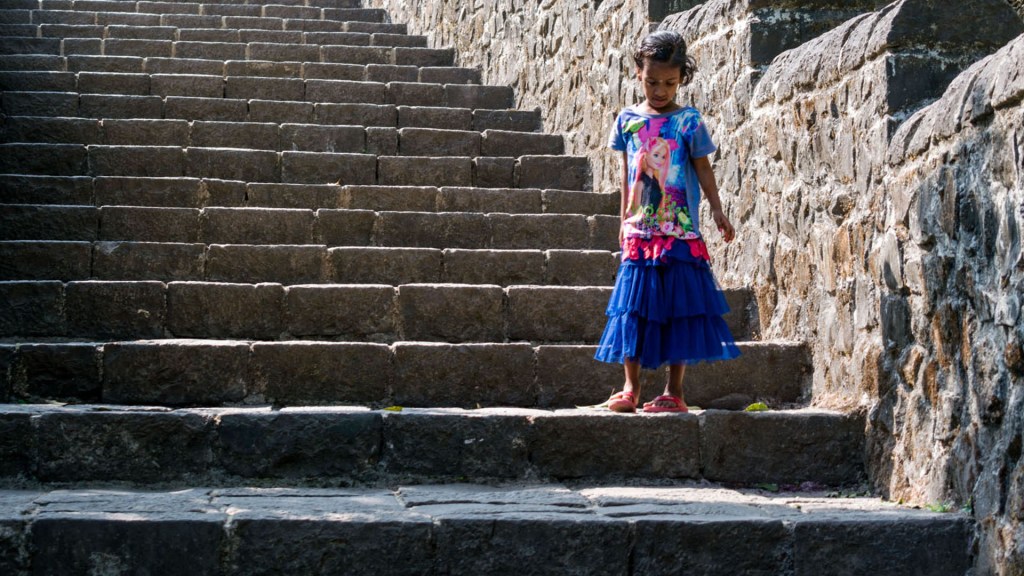
8. Leading Lines – Leading lines guide the eyes through an image and can contribute to the viewer’s sense of isolation, separation, distance, and scale. Having strong lines against a plain background can give a miraculous sense of depth to your images.
9. Shapes – Shapes work well to create a sense of abstractness in your frame. Think of using repetition, symmetry or geometry to frame a subject or draw attention. Strong, unique shadows can also captivate and pull a viewer into the frame.
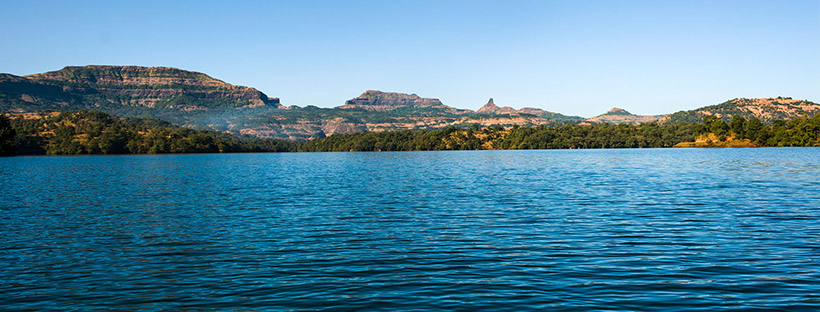
10. Refine in post processing – You’ll find more room for experimentation when you edit your photos after the shoot. You can make those small adjustments to contrast, highlights and shadows, but you can also make big changes, like removing an object you don’t want in the photo.
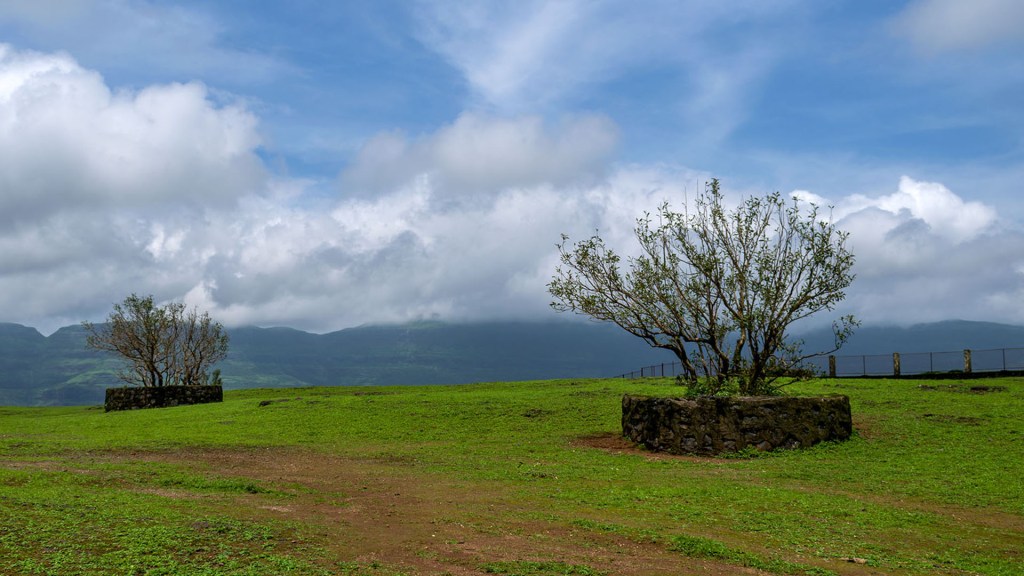
Minimalism or minimalistic photography could be done in any genre of photography. No matter if you are a portrait, architecture, landscape, or macro photographer, minimalist photos are always an option as long as you have a minimal look toward your surroundings.
I hope you liked my blog. Do let me know your suggestions and thoughts in the comments section. Thank you!
Also Read – Depth in Photography
CONNECT WITH ME:
YouTube: https://www.youtube.com/user/agarwalsonika7
Instagram: https://www.instagram.com/agarwalsonika/
Twitter: https://www.twitter.com/agarwalsonika7/
Facebook: https://www.facebook.com/sonikatravels
 UI/UX DESIGNER | PHOTOGRAPHER
Capture stunning minimalist photography by mastering simplicity, negative space, and leading lines for impactful, clean, and thoughtful compositions.
LikeLiked by 1 person
Rightly said!
LikeLike