
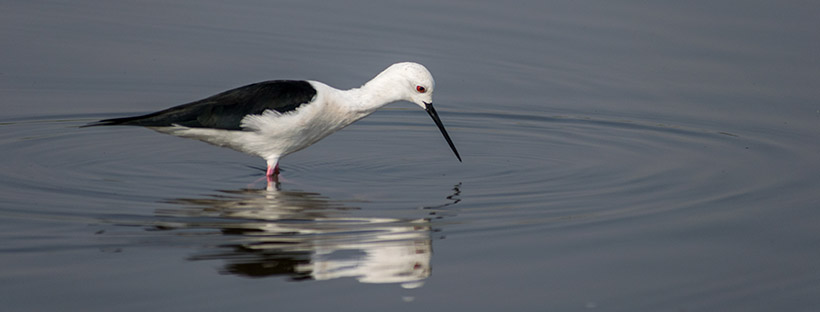
In bird photography, the subject is undoubtedly the star, but the background plays a crucial role in enhancing or ruining the shot. A well-thought-out background helps in highlighting the bird, adding depth, and creating a visually appealing image. Ignoring the background can lead to distractions, clutter, or unwanted elements that take the focus away from the bird. Let’s explore why background matters and how to use it effectively in bird photography.
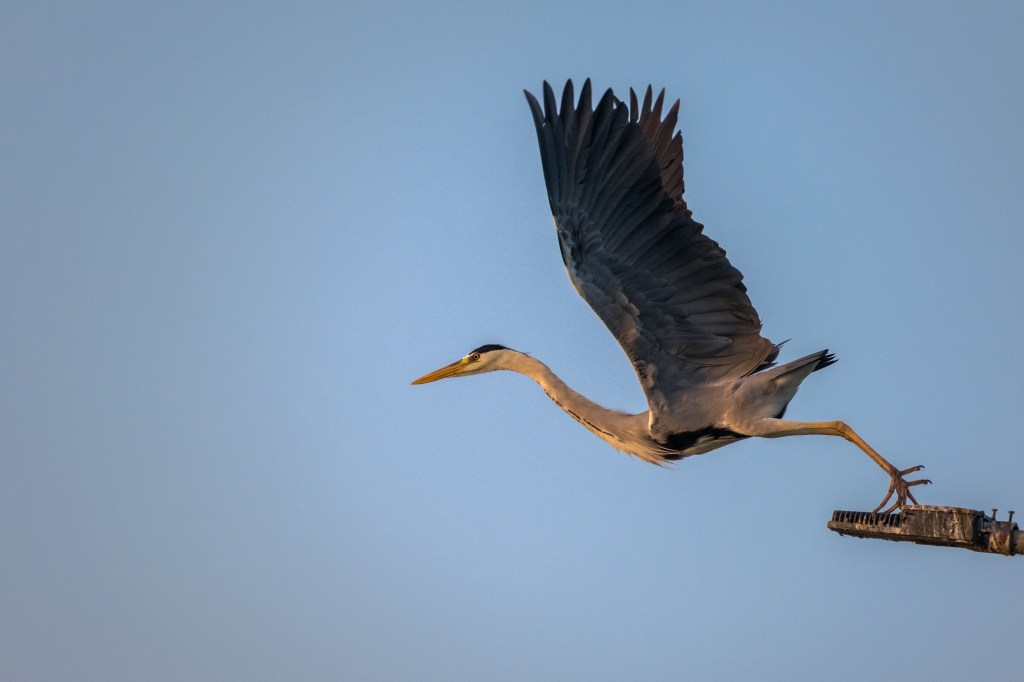
10 Key Points on the Importance of Background in Bird Photography
1. Enhances Subject Isolation
A clean, uncluttered background makes the bird stand out, drawing attention to its details and colors. Using a wide aperture (low f-stop) helps create a beautiful blurred background (bokeh) that enhances subject isolation.

2. Creates a Mood and Atmosphere
Backgrounds contribute to the overall mood of an image. A misty forest gives a dreamy feel, while a golden sunset adds warmth and drama. Choosing the right background can help convey an emotional connection to the viewer.
3. Reduces Distractions
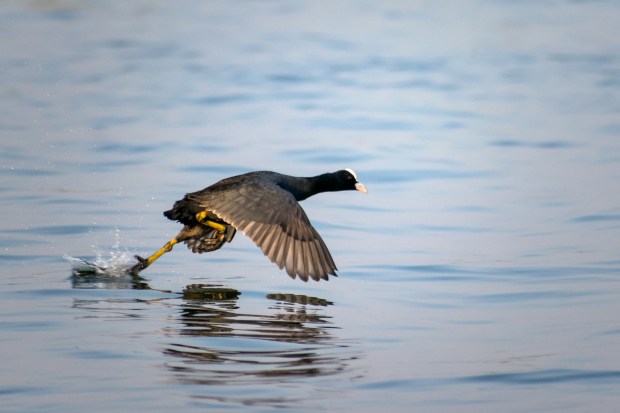
Cluttered backgrounds with too many elements (branches, leaves, people, or artificial structures) take attention away from the bird. Simplifying the background ensures that the viewer’s eyes remain on the subject.
4. Adds Depth and Dimension
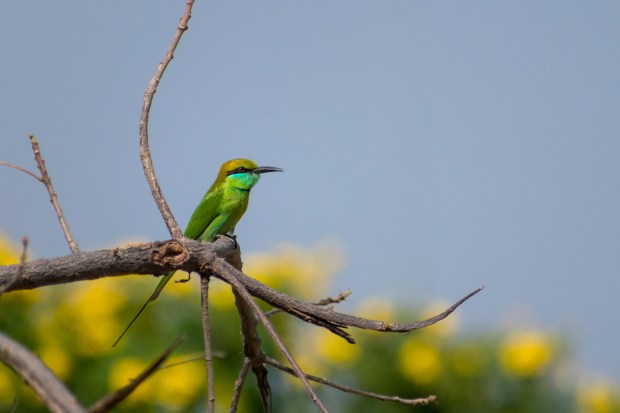
A well-composed background creates a sense of depth, making the image more immersive. Layered backgrounds, such as blurred vegetation or water, can give the image a three-dimensional feel.

5. Complements the Bird’s Colors
Choosing a background that contrasts or harmonizes with the bird’s colors makes the image visually striking. For example, a bright kingfisher against a dark green or sky blue background creates a strong contrast, making the subject pop.

6. Tells a Story About the Bird’s Habitat
Backgrounds provide context about where the bird lives. A sandy shoreline, a dense jungle, or a snowy landscape adds authenticity and helps viewers understand the bird’s natural environment.

7. Using Negative Space for a Balanced Composition
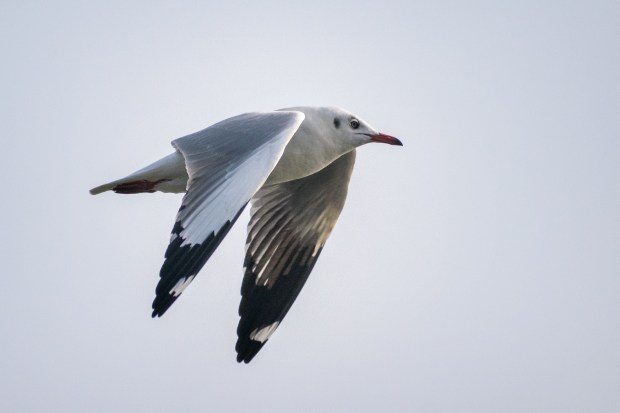
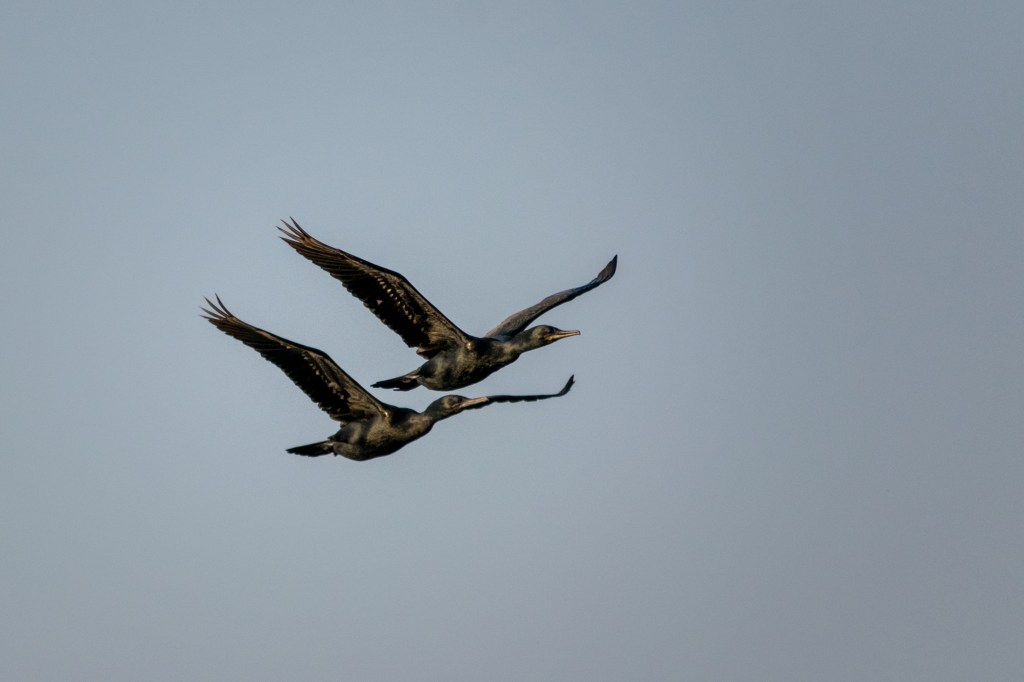
Sometimes, leaving a portion of the background empty (negative space) enhances the composition. It creates breathing room around the bird and can give a sense of movement or direction.
8. Enhances the Overall Aesthetic Appeal
A beautiful, soft background adds a professional touch to the image, making it more pleasing to the eye. The more visually appealing the background, the higher the impact of the photograph.
9. Choosing the Right Shooting Angle
Adjusting your position slightly can change the background significantly. Shooting from a lower angle often provides a more blurred and less distracting backdrop compared to a busy ground-level shot.

10. Post-Processing for Final Touches
While getting a good background in-camera is ideal, post-processing can help enhance it further. Softening distractions, adjusting brightness, and fine-tuning colors can improve the background without altering the natural look.

A well-chosen background can transform an ordinary bird photo into a stunning work of art. It enhances subject visibility, mood, and storytelling while eliminating distractions. Bird photographers should always pay attention to the surroundings, adjust angles, and use aperture settings wisely to achieve the best possible background. By mastering background control, you can elevate your bird photography to the next level, making each image more impactful and visually engaging.
Also Read – 10 Tips for Travel Photography
CONNECT WITH ME:
YouTube: https://www.youtube.com/user/agarwalsonika7
Instagram: https://www.instagram.com/agarwalsonika/
Twitter: https://www.twitter.com/agarwalsonika7/
Facebook: https://www.facebook.com/sonikatravels/
 UI/UX DESIGNER | PHOTOGRAPHER
2 thoughts on “Importance of Background in Bird Photography (10 Tips to Improve Your Bird Photography)”